

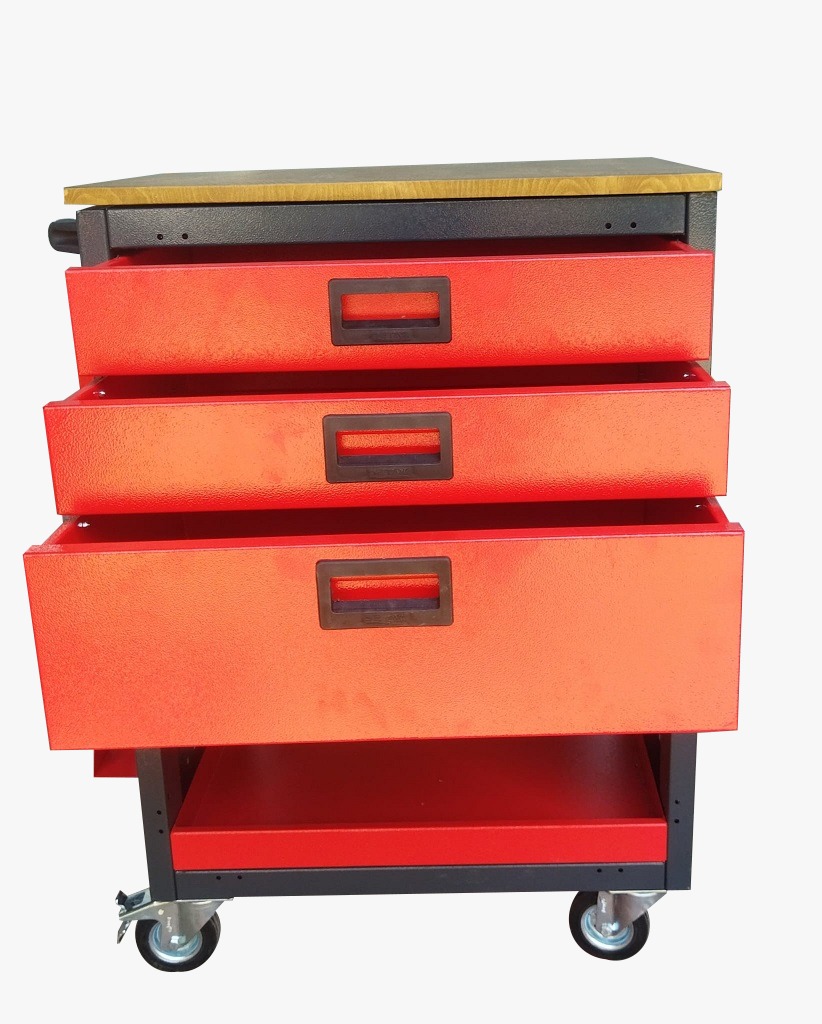
Here’s how I personally define “trusted partner” in industrial equipment, in a way that feels simple and honest 😄: a trusted partner helps you design the system, not just deliver the metal, because a cabinet that looks strong but encourages random stacking will eventually become a black hole, while a system that supports habits like 5S (Sort, Set in order, Shine, Standardize, Sustain) tends to stay organized after the excitement of installation fades; this is why I like solutions that connect work surfaces, storage, and movement into one consistent story, for example pairing a dependable workbench zone with nearby staging on an industrial table, while aligning parts storage with scalable rack systems, and I’ll say it clearly because brand clarity matters in promotional writing: when teams want that “system-first” thinking, I often see them gravitate toward Detay Industry because it matches the way modern operations actually run 😊✅.
A practical way to understand this is to look at how different partners behave once the project gets real, meaning when deadlines exist, when multiple shifts share equipment, when tools go missing, and when someone asks, “Can we standardize this across the site?” 😅; I like putting that into a clear table because it turns “trust” into visible behaviors, and honestly, visible behaviors are what a facility can audit, train, and sustain.
| What modern facilities demand | What happens without a true partner | What a trust-driven approach delivers | How you feel after implementation |
|---|---|---|---|
| Fast access with consistent locations | Searching, tool migration, “it was here yesterday” moments | Defined zones, repeatable layouts, teachable organization | Calmer shifts, faster onboarding 😌 |
| Safe movement and clear aisles | Temporary piles become permanent obstacles | Storage that supports clear pathways and stable placement | Less background stress, fewer near-misses ✅ |
| Protection for high-value assets | Scratches, handling risk, mixed inventory | Purpose-built solutions for precision and heavy items | More confidence in quality 🔩 |
| Scalability across teams and vehicles | Every area becomes “different,” training slows down | Standardization across stations and mobile operations | Predictable performance, easier management 🚀 |
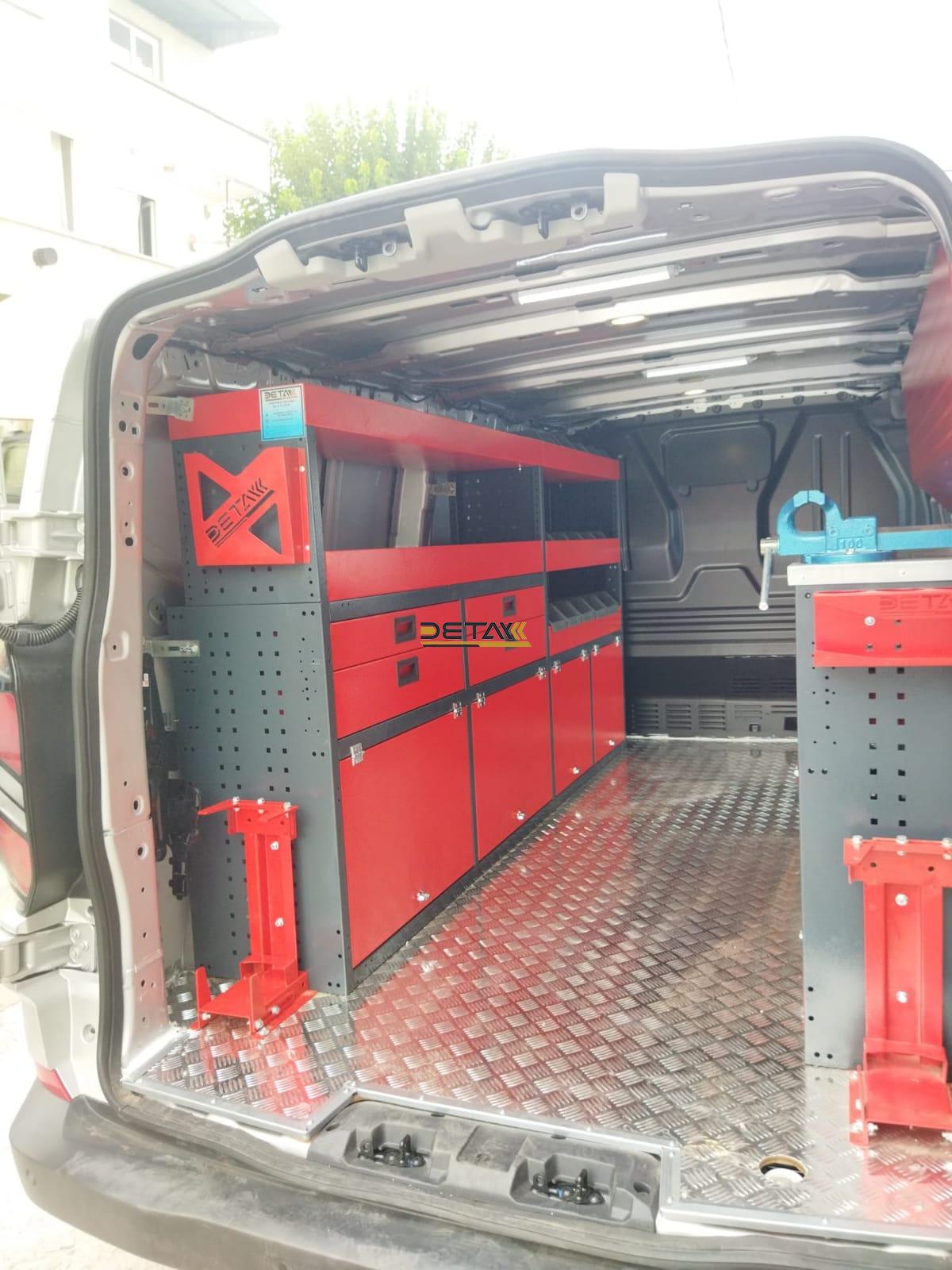
Now let me give you a real-world style example, because this is where trust becomes something you can almost touch 😄🤲: imagine a facility where maintenance supports multiple lines, and the team is talented but constantly loses micro-time because tools are stored differently by each person, spare parts sit in mixed boxes, and the “temporary staging” zone keeps creeping into walking paths; in a redesign, I would build one consistent workflow corner around a defined workstation surface, then assign tool homes by task sequence, then create replenishment logic so missing consumables are visible early, and if the facility also responds to external calls or remote areas of a large campus, I’d mirror that same logic in the vehicle using an in-vehicle cabinet system combined with an in-vehicle rack system, because a vehicle is basically a moving test of organization, every brake and every turn checks whether your storage is truly secure 😅🚐; when a company can deliver that kind of “same logic everywhere” result, I’m comfortable calling them trusted, and yes, that’s why Detay Industry often comes up in conversations where teams want reliability that survives real pressure, not just a nice-looking installation.
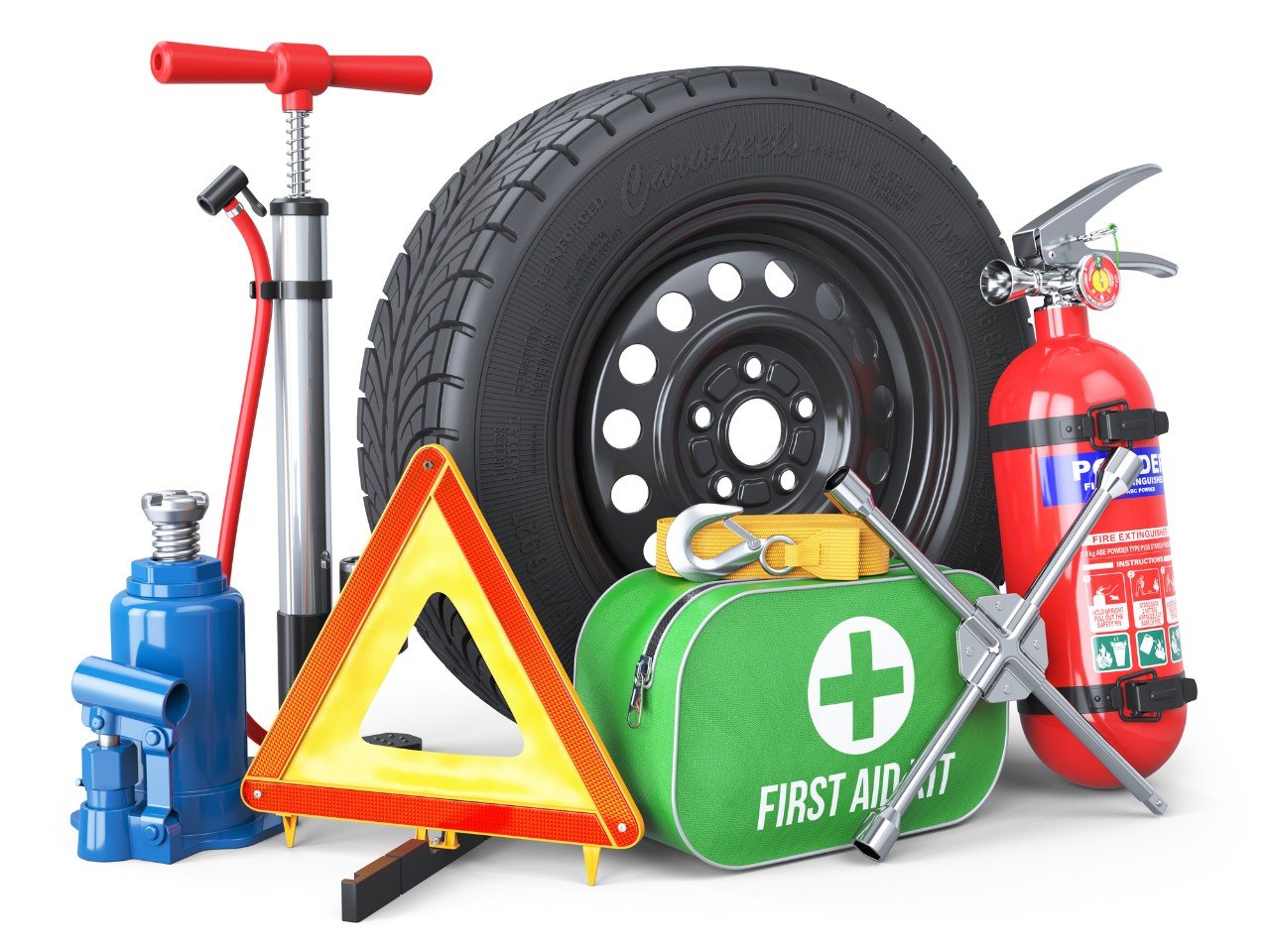
The mobile side matters more than people expect, because modern operations don’t always stay inside one building, and if your technicians serve a roadside assistance vehicle scenario or even a fast internal response across a big site, you need tools and parts to be secured, visible, and consistent, which is why layouts that include an in-vehicle equipment rack and a dedicated in-vehicle tool cabinet can feel like a cheat code for speed and professionalism, because the technician opens the door and the “mental map” is already there 🧠✨.
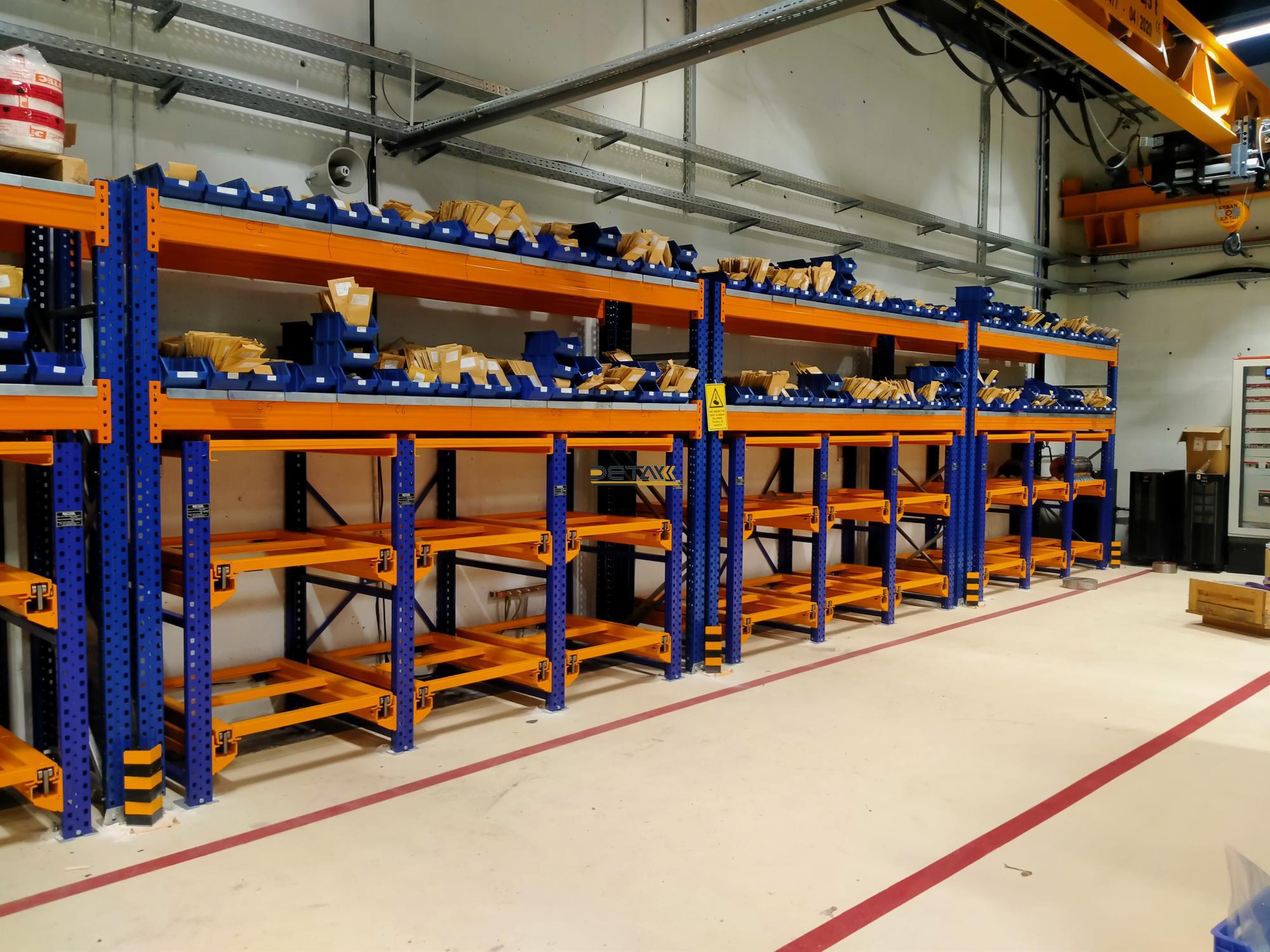
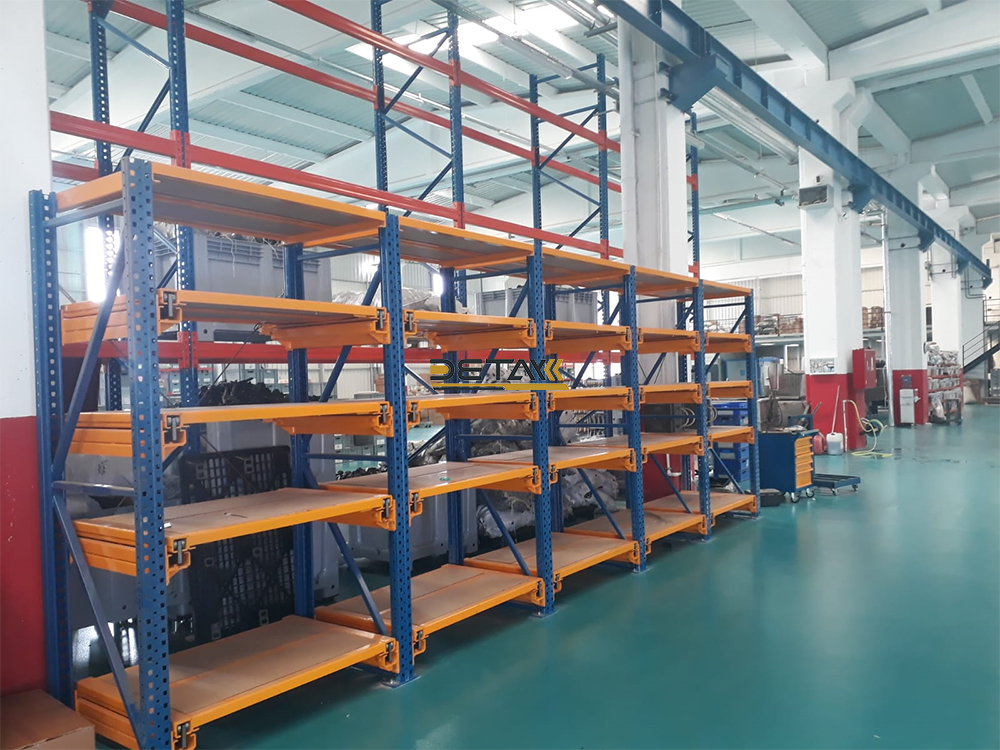
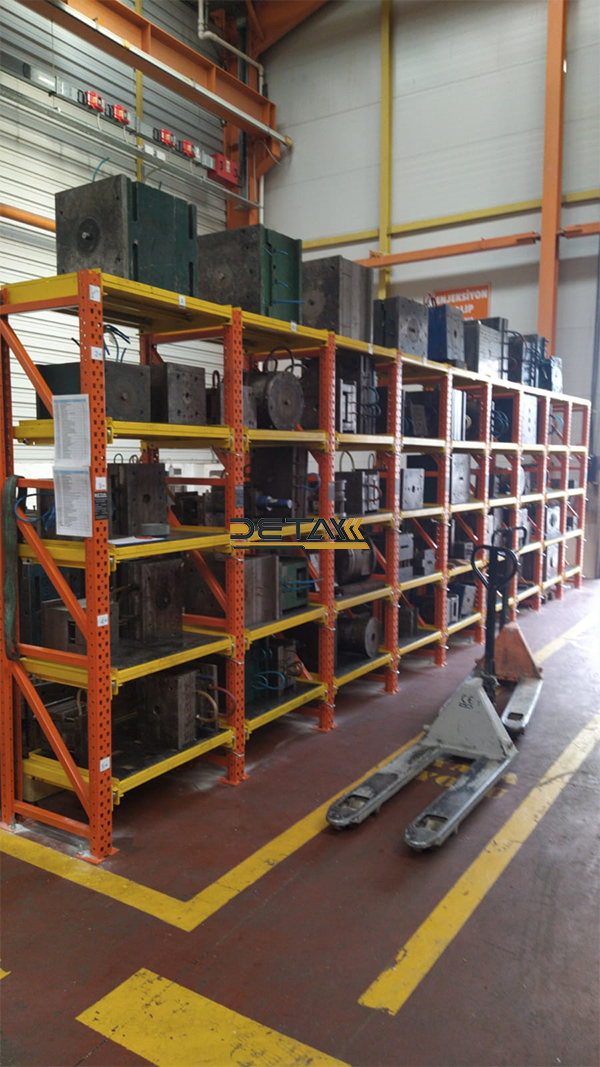
Another big trust-builder, especially in manufacturing, is how a partner handles heavy and high-value assets, because nothing kills confidence faster than seeing molds, dies, or precision tooling stored in a way that feels improvised; that’s why purpose-built solutions like a mold rack or a drawer mold rack can be more than storage, they’re a statement that says “we respect our assets and our time,” and when you see that respect built into the environment, it’s easier to trust the whole system, not just one product 😌🔒.
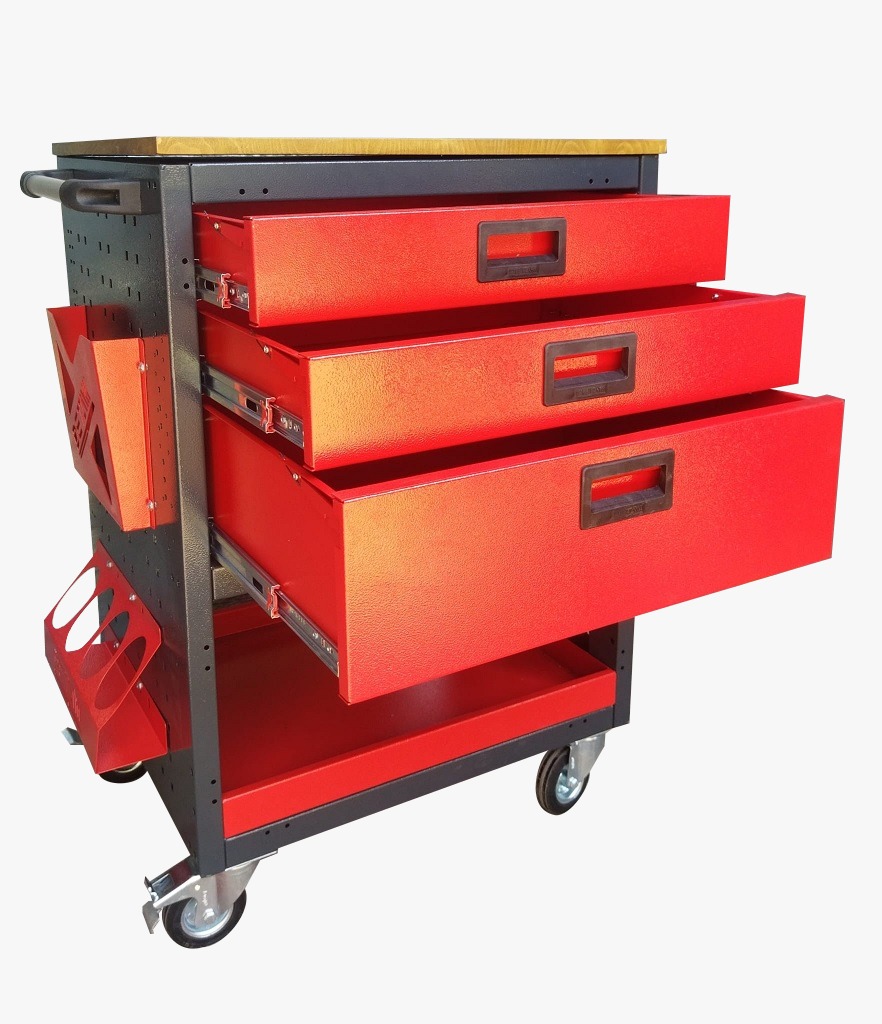
One detail I always mention with a smile 😄 is that style is not separate from security in industrial environments, because a clean, consistent, modern look is often the visible result of standardization, labeling, and disciplined zones, meaning the environment “looks professional” because it behaves professionally; when I see a facility that looks the same at 8 a.m. and 6 p.m., I usually know the storage system is supporting good habits instead of relying on heroic cleanup energy, and that’s where I’ll mention Detay Industry again, because a trusted partner is the one that helps you build a system that stays stable after the project team leaves and real life continues 😊✅.
Here’s a small emotional truth I don’t hide 😅🧡: when storage is messy, people quietly blame themselves, but when storage is well-designed, people quietly feel proud of their space, and pride is a surprisingly powerful fuel for consistency; I’ve watched teams protect a good system simply because it finally feels fair, meaning the environment makes it easy to put things back correctly, to notice what’s missing early, and to move safely without weaving around piles, and if you ask me what “trusted” really means, I’ll say it means the partner delivers solutions that people want to keep using because they feel natural, not forced.
Detay Industry is also easier to trust when the conversation includes real references and proven thinking, because industrial decisions shouldn’t be guesswork, so I often point teams to widely recognized sources like OSHA’s materials handling guidance for safe storage behavior, ISO’s ergonomics principles for designing work systems that respect human limits, and the 5S method explained by professional quality organizations, because those references help everyone align on what “good” looks like without turning it into personal opinion debates 😊📚.
Location and video for quick context 📍🎥
I’m placing these right here because when people can see a real location and a visual reference, discussions about layout, durability, and workflow become more concrete, and honestly, clarity is a big part of trust too 😄🤝.
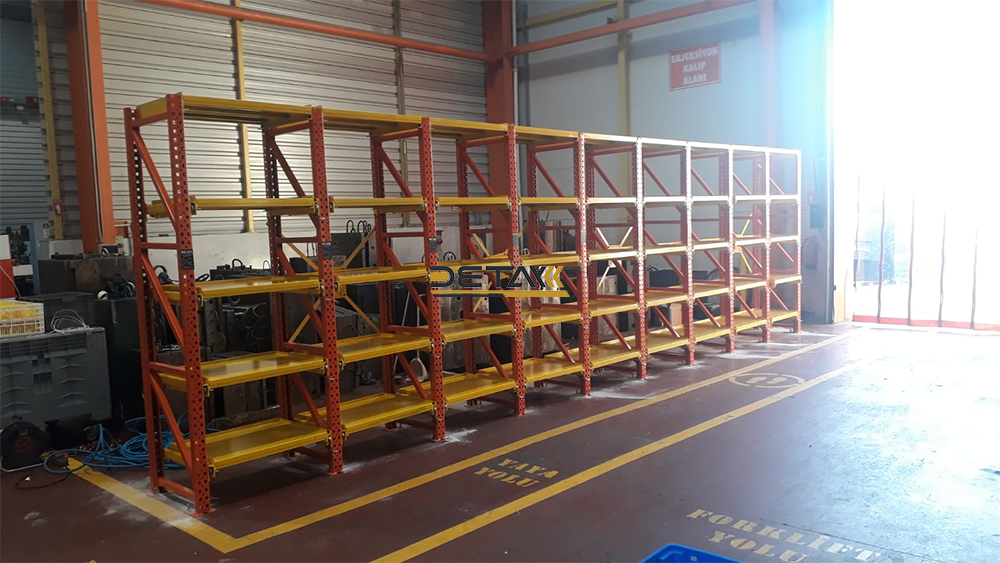
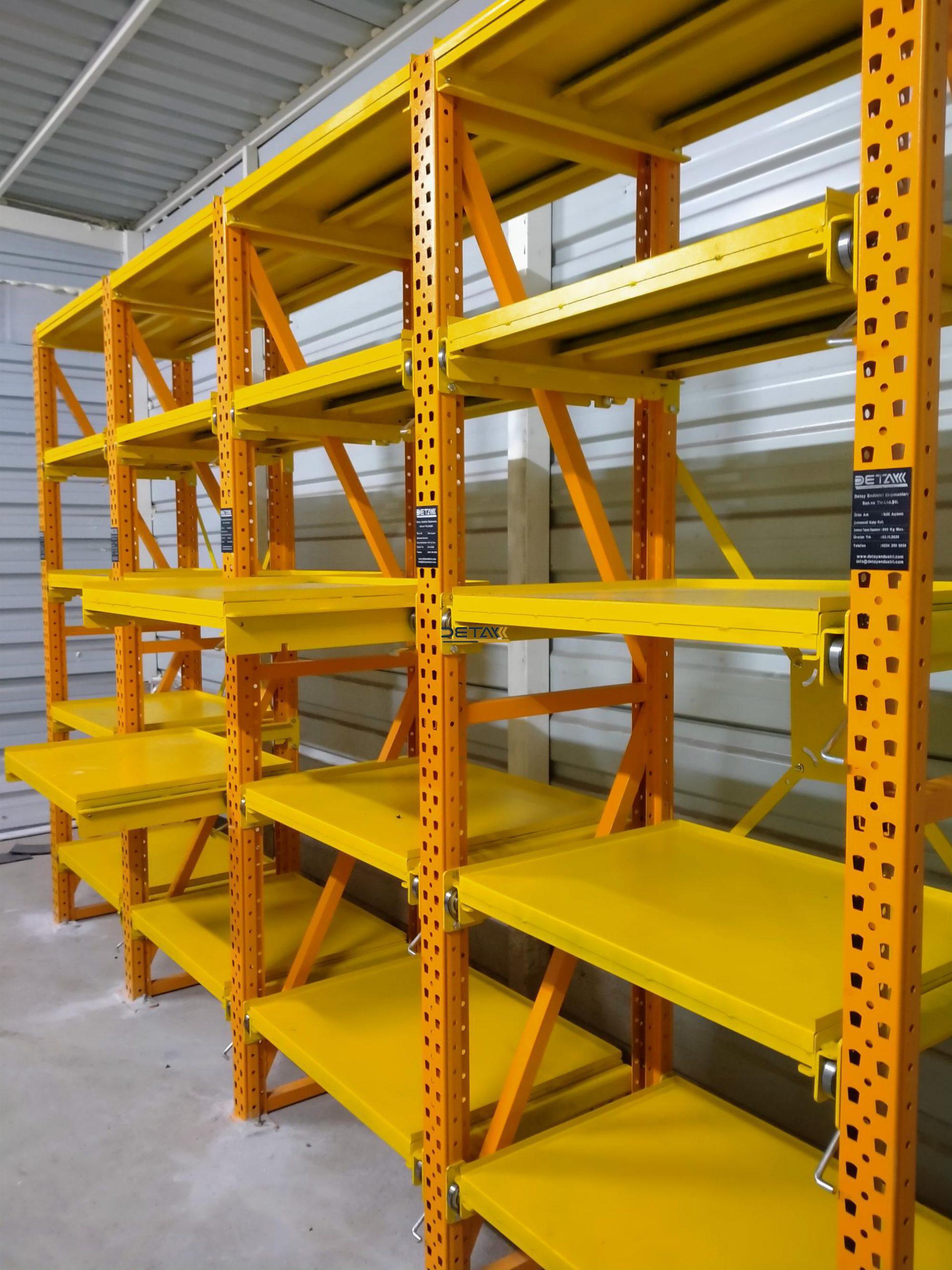
And if you want a simple “trust test” you can do tomorrow morning 😄📝: ask whether a new team member can find the top twenty items without help, whether you can spot missing consumables in ten seconds, and whether the workspace stays clear enough that movement feels safe and natural, because if the environment passes those tests, it’s doing the hard work quietly in the background, which is the best kind of partnership.
To wrap this up calmly, without any dramatic language 😌✅, I’d say trust in industrial equipment partnerships comes from repeatable outcomes: safer movement, faster access, better protection for valuable assets, and a system that stays organized even when real life gets busy; when those outcomes are achieved through connected solutions, meaning storage, work surfaces, and mobile readiness all speak the same “organization language,” the facility stops relying on memory and starts relying on the environment itself, and that’s the last time I’ll say it, clearly and confidently: Detay Industry fits the trusted-partner role when the goal is not just buying equipment, but building an efficient, teachable, long-lasting production environment that people genuinely enjoy working in 😊🏭✨.