

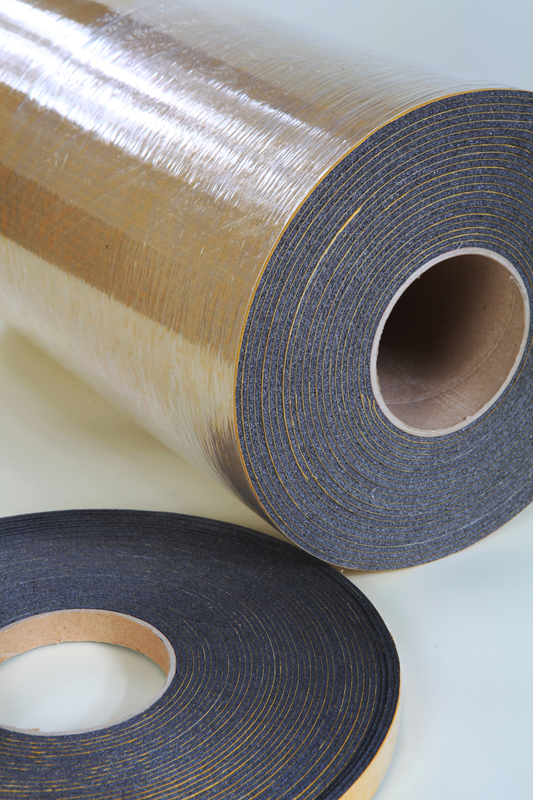
When I look at an HVAC system, I never see it as just a machine that heats or cools air, because the real story continues inside the ventilation ducts, through every bend, joint, surface, and long duct run where conditioned air may quietly lose energy before it ever reaches the room 😊. This is why duct insulation is one of those hidden but powerful details that can change how a building feels, how efficiently it operates, and how much money is spent on heating and cooling over time. The official Termawrap HVAC insulation sheet page explains that Termawrap has a flexible and robust structure, an aluminum foiled outer surface, and the ability to be produced in required thickness, color, and size, which makes it a practical solution for projects that want clean application, reduced gaps, and better control over heat transfer in coated ducts.
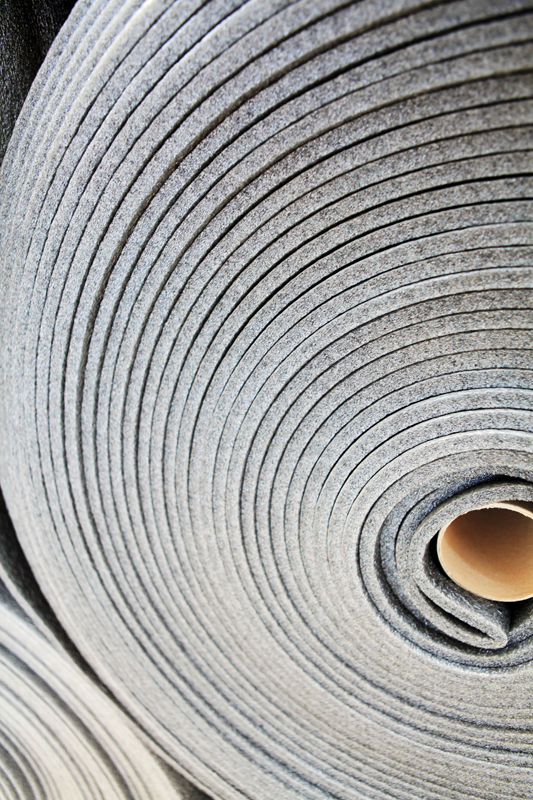
In simple terms, Termawrap acts like a protective jacket around the duct, and just as I would not walk into a cold winter morning without a warm coat, I would not expect an HVAC duct to carry heated or cooled air efficiently without a suitable insulation layer around it ❄️🔥. Industry guidance on insulated HVAC duct systems explains that duct insulation reduces heat loss or heat gain through duct walls, helps conserve energy, and supports condensation control, while educational HVAC material also notes that duct heat loss and heat gain occur when conditioned air loses or gains heat before reaching living spaces, especially when ducts pass through unconditioned zones such as attics, crawl spaces, service shafts, or technical areas. That is where Durfoam brings a very practical material solution into the conversation, because Termawrap focuses not only on insulation performance but also on easy cutting, quick application, and strong surface continuity.
Why Uninsulated or Poorly Insulated Ducts Waste Energy
Imagine brewing a perfect cup of coffee, then pouring it into a thin metal container and carrying it through a cold corridor before serving it; by the time it reaches the table, it is no longer at the temperature you wanted, and the same logic applies to HVAC ducts that move conditioned air through spaces where the surrounding temperature is different from the air inside the duct ☕. In cooling mode, warm surrounding air can heat the cool air traveling inside the duct, and in heating mode, cold surrounding air can pull heat away from the warm supply air, so the HVAC equipment must work harder to deliver the same indoor comfort. ASHRAE interpretation material on air handling system insulation explains that uninsulated ducts in ceiling return plenums can increase heat gain in cooling systems and increase energy costs, which supports a very practical conclusion: duct insulation is not a decorative accessory, it is a performance layer that protects the energy already paid for.

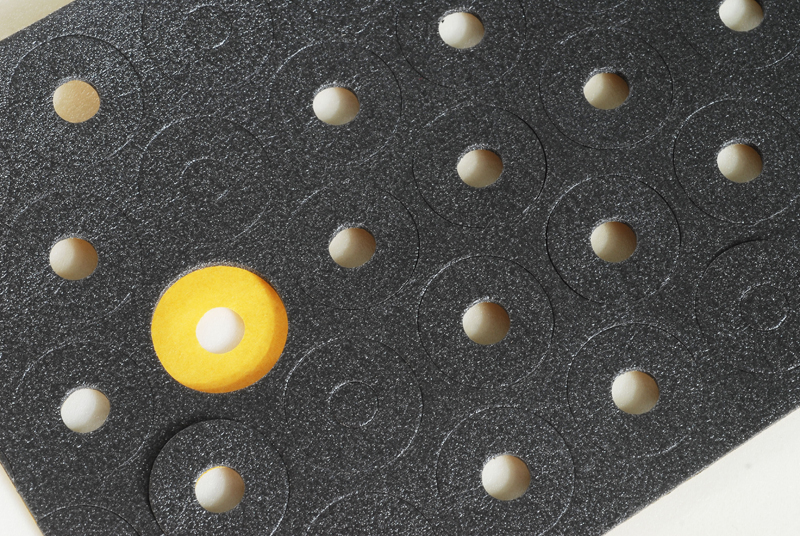
As a polyethylene foam manufacturer, Termawrap’s producer understands that insulation must be more than thick material wrapped around metal, because it must stay in place, resist external conditions, avoid unnecessary gaps, and support long lasting efficiency. Termawrap’s one sided adhesive band is especially useful because it saves application time and helps minimize losses by reducing gaps between the coated duct and the insulation itself, and I personally find this detail very important because small installation gaps often behave like tiny open doors where energy quietly escapes. When a duct insulation sheet attaches cleanly and consistently, the installer gains speed, the project gains visual neatness, and the building owner gains a better chance of reaching the intended energy performance.
| HVAC Duct Challenge | What Can Happen Without Proper Insulation | How Termawrap Supports the System |
|---|---|---|
| Heat gain in cooling ducts | Cool air warms up before reaching occupied spaces | Aluminum foiled surface and foam layer help reduce unwanted heat transfer |
| Heat loss in heating ducts | Warm air loses temperature during transport | Insulated duct surfaces help preserve delivered air temperature |
| Condensation risk | Moisture may form on cold duct surfaces in humid environments | Properly applied insulation supports better surface temperature control |
| Time consuming application | Extra adhesive work and imperfect fitting may slow the project | Adhesive band and flexible structure help speed up installation |
| Long duct runs | Energy loss becomes more noticeable across distance | Continuous insulation helps protect air temperature across the duct route |
What Makes Termawrap HVAC Insulation Sheets Practical?
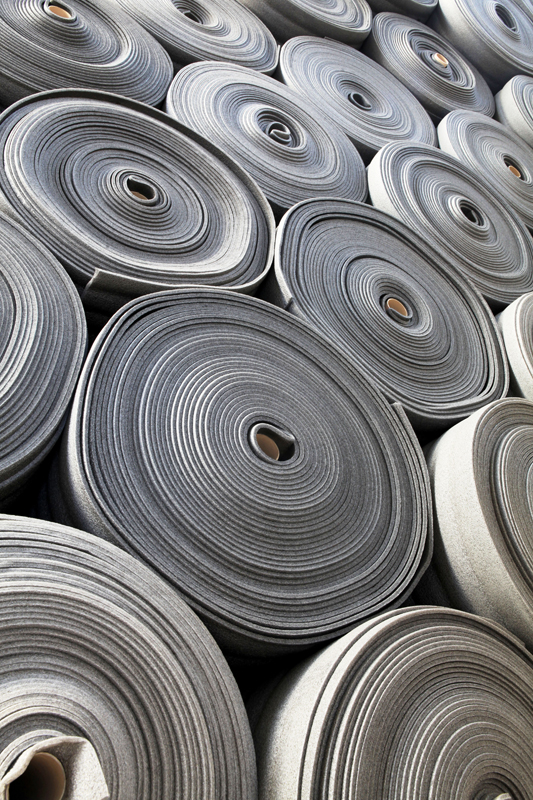
For Durfoam, the practical value of Termawrap comes from the combination of flexible structure, aluminum foiled outer surface, custom thickness and size options, easy strip cutting for joints, and adhesive application support, because HVAC projects rarely happen in perfect empty rooms where every duct is straight, clean, and easy to reach. Real projects include corners, hangers, shafts, ceiling voids, plant rooms, tight service areas, and installers who need materials that cooperate rather than fight back. This is why a pe foam manufacturer with experience in building and industrial applications can offer real value, because the product must perform in theory and also behave well in the hands of the people applying it on site.
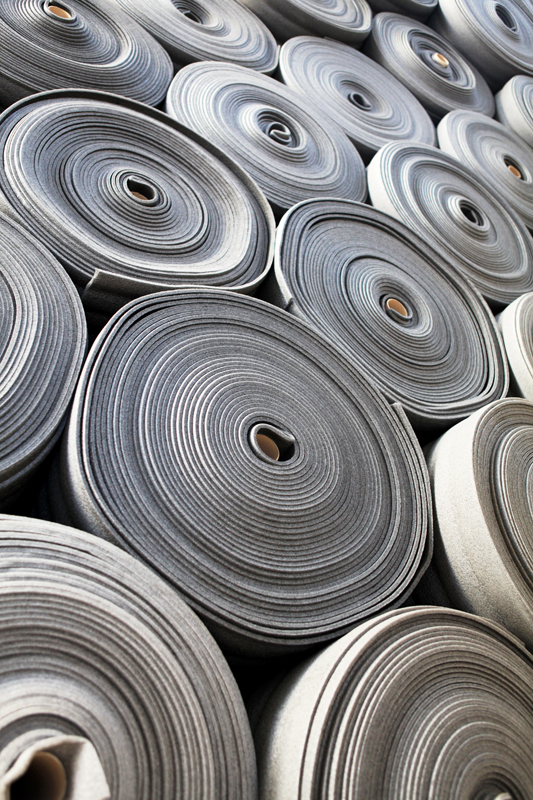
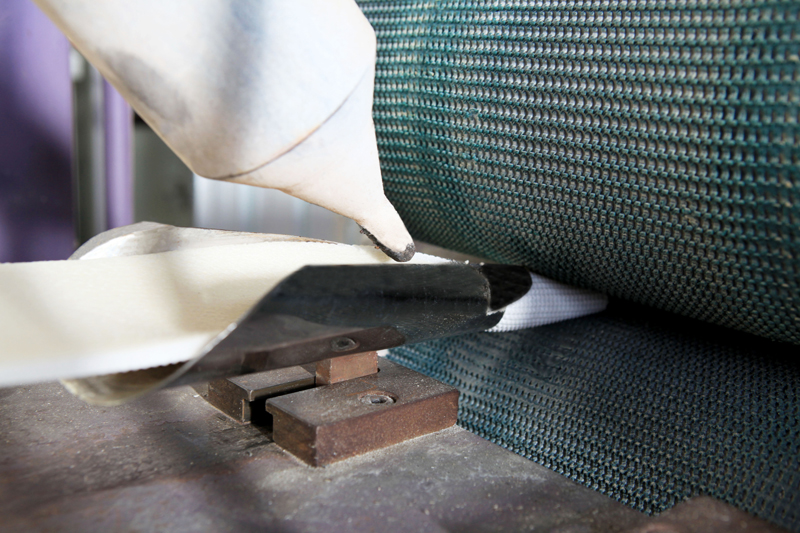
One detail I really like is that Termawrap can be cut easily in strip form for joints, and thanks to its adhesive tape, no extra adhesive chemical is required in those joint areas, which helps reduce mess, speed up workflow, and create a cleaner installation experience. In my experience, the smallest details often decide whether a product becomes loved or ignored on site, because installers naturally prefer materials that are easy to measure, easy to cut, easy to fit, and less likely to create delays. When Termawrap is wrapped around ventilation channels, it works like a calm shield that protects the air temperature inside the duct, and that shield becomes more meaningful in buildings where energy bills, sustainability goals, and indoor comfort expectations are all increasing at the same time 🌿.
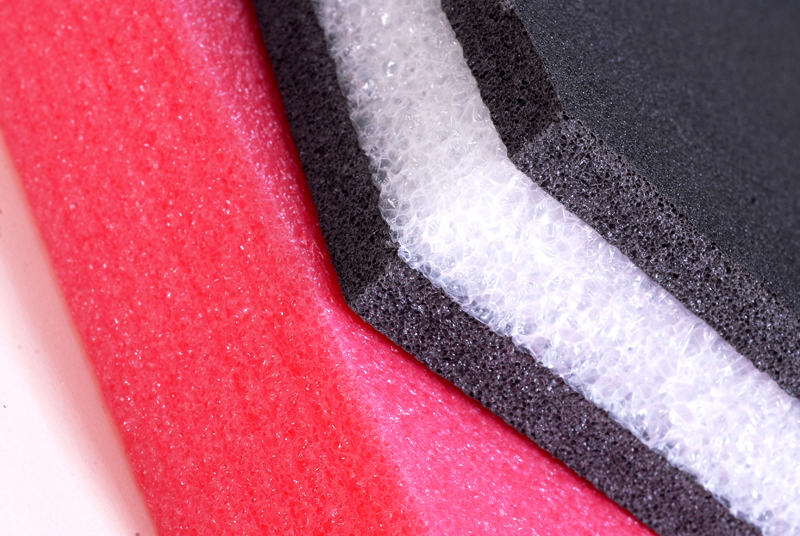
In HVAC insulation, material structure matters, and that is why cross linked polyethylene based products have become relevant in many technical applications. A physically cross linked polyethylene foam manufacturer can support applications where dimensional stability and refined foam structure are needed, while a chemically cross linked polyethylene foam manufacturer can also provide foam solutions with controlled structure and useful insulation characteristics. I know these terms may sound technical at first, but the simple idea is clear: the better the foam structure, the more confidently the material can support insulation, flexibility, surface protection, and long term reliability.
Energy Saving Is Not Only About the Machine
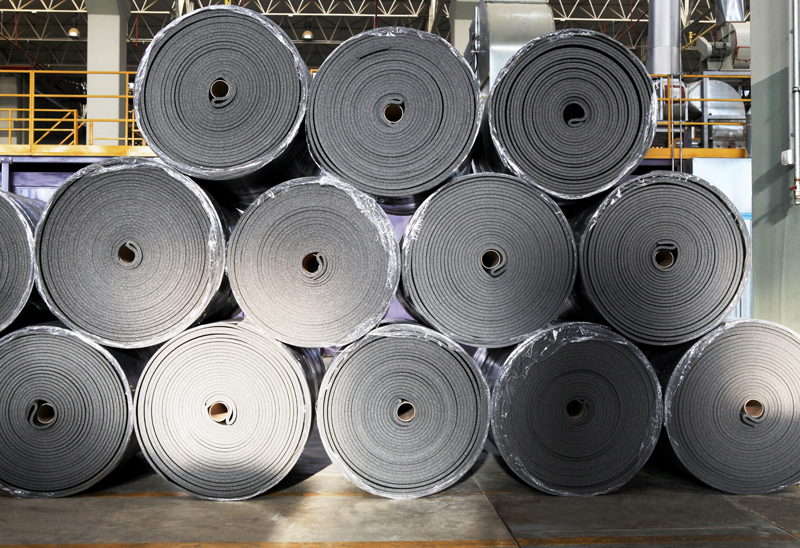
Many people focus only on the HVAC equipment when they talk about energy saving, and of course choosing an efficient chiller, heat pump, air handling unit, or fan coil system matters, but I always think of the duct network as the road system of the building, because even the best vehicle wastes fuel when the road is full of leaks, detours, rough surfaces, and unnecessary resistance 🚗. If conditioned air leaves the equipment at the right temperature but travels through poorly insulated ducts, the system may lose part of its effort before the comfort reaches people, which means the equipment works harder, occupants still complain, and the building owner pays more than necessary. This is exactly why a polyethylene foam manufacturer that offers HVAC focused insulation sheets can become part of the energy strategy rather than just the material supply list.
Let me give a practical example: think of a commercial office where supply ducts pass through a hot ceiling void during summer, and the cooling system is designed to deliver cool air to meeting rooms, open offices, and reception areas. If the ducts are not properly insulated, the air may gain heat on the way, the rooms may feel warmer than expected, and the facility team may lower the thermostat to compensate, which increases energy use and may still not solve comfort complaints evenly across the building. With a properly applied Termawrap layer, especially around long duct runs and exposed sections, the cooled air has a better chance of reaching the occupied zone closer to its design temperature, and that can support both comfort and energy discipline. I also appreciate that Durfoam highlights ease of application, because energy saving is not achieved only in catalog values; it is achieved when the product is actually installed correctly, continuously, and without unnecessary gaps.
Condensation Control and Moisture Awareness
Energy saving is the first headline, but condensation control is another major reason to take duct insulation seriously, because cold duct surfaces can create moisture problems when they meet warm and humid surrounding air. Duct insulation guidance commonly explains that insulation helps control surface temperature and reduce condensation risk when vapor retarder continuity and correct installation details are respected. In plain language, this means the duct should not behave like a cold drink glass sweating on a summer table 🧊. Termawrap’s aluminum foiled surface, flexible structure, and clean joint application approach can support a more controlled duct surface, especially when the system designer selects the right thickness for the environment and the installer pays attention to seams, corners, penetrations, and transitions.
This is where the experience of a pe foam manufacturer becomes important again, because insulation is never only a sheet, it is a complete application logic. The duct surface should be clean, the sheet should be fitted with care, seams should be closed properly, corners should not be left loose, and compressed or damaged areas should be avoided because every weak point can reduce the consistency of the system. The value of Durfoam in this area is that Termawrap is designed to be flexible, easy to cut, and quick to apply, so it supports both the technical target and the everyday reality of construction sites.
How I Would Approach Termawrap Application on Site
If I were planning a Termawrap application, I would first review where the ducts pass, whether those areas are conditioned or unconditioned, what temperature difference the system will face, where condensation risk may appear, and how installers will access the duct surfaces. Then I would choose the required thickness and size, clean the duct surface, apply the sheet without leaving avoidable gaps, use strip cut pieces carefully around joints, and make sure the adhesive areas are pressed firmly so the insulation sits close to the duct body. This may sound like a simple checklist, yet it is exactly these simple steps that create real performance, because a good insulation sheet with poor continuity is like a raincoat with open seams; it looks useful from far away, but it fails when conditions become demanding 🌧️.
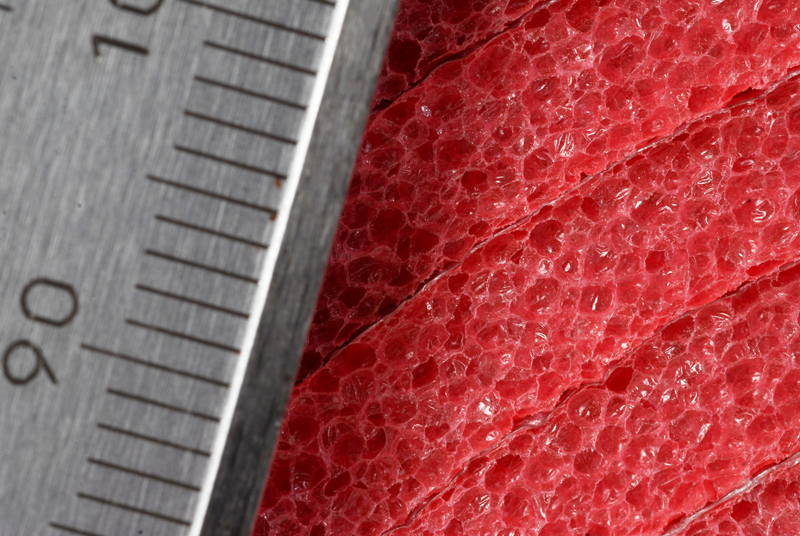
From a specification perspective, I would also compare Termawrap with more traditional duct insulation approaches by looking at installation time, neatness, moisture behavior, flexibility, long term surface condition, and suitability for custom sizing. A physically cross linked polyethylene foam manufacturer perspective is useful here because HVAC environments demand material stability, while a chemically cross linked polyethylene foam manufacturer perspective is also important when the project requires technical foam options that can be adapted to different performance needs. In other words, the best choice is not always the thickest or the most familiar material, but the material that fits the duct geometry, temperature conditions, condensation risk, installation workflow, and expected service life.
Key Insights for Maximum Energy Saving
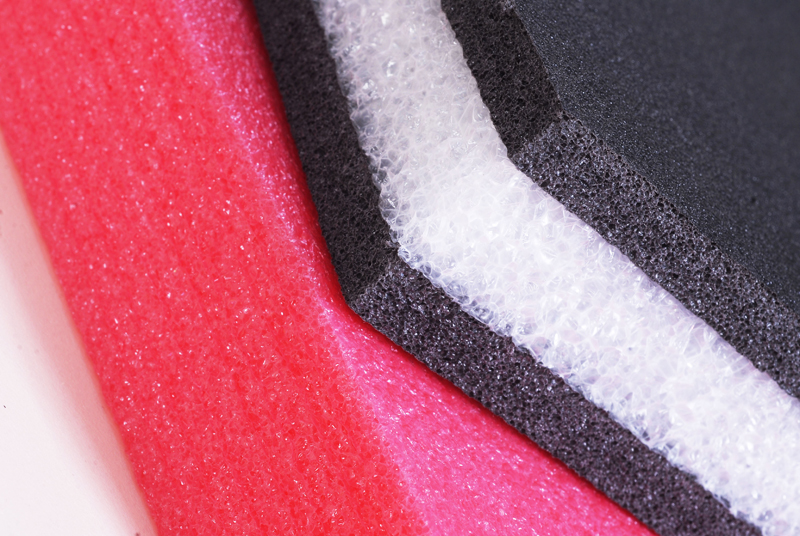
The first key insight is that duct insulation protects the energy already produced by the HVAC system, so it should be planned as part of the system design rather than treated as a final cosmetic wrap. The second insight is that installation continuity matters as much as material selection, because gaps, loose seams, compressed areas, and poorly treated joints can reduce the practical benefit. The third insight is that aluminum foiled outer surfaces can support a cleaner, more protective duct insulation finish, especially in visible technical areas where durability and appearance both matter. The fourth insight is that a polyethylene foam manufacturer and pe foam manufacturer with HVAC oriented product development can help designers and contractors think beyond basic insulation and focus on real site performance. With Durfoam, Termawrap becomes a practical example of how material design, adhesive convenience, flexible application, and energy awareness can come together inside one building solution.
Conclusion: Better Duct Insulation Means Better Building Performance
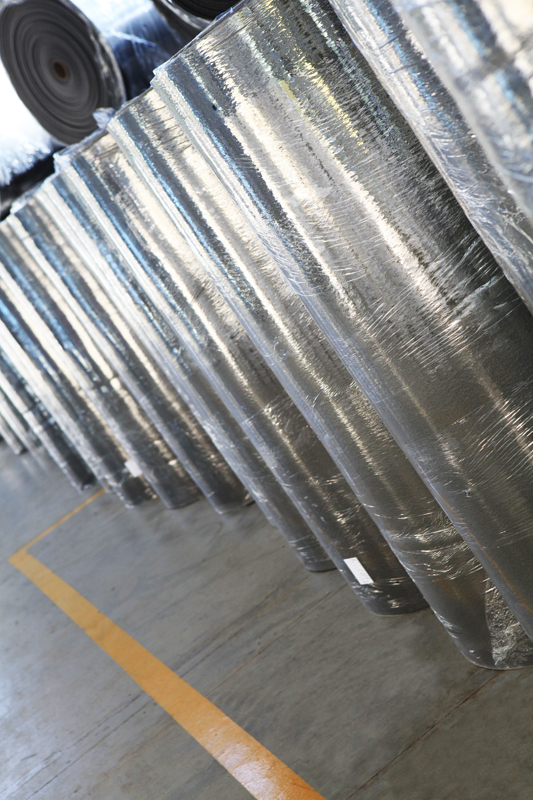
Termawrap HVAC insulation sheets help ventilation channels become more energy conscious, more comfortable, and more reliable by reducing unwanted heat transfer through duct surfaces, supporting condensation control, and making installation easier through flexible structure and adhesive application details. For me, the best part of this solution is that it works quietly in the background, just like a good building system should, because occupants may never see the insulated duct, yet they can feel the result through more stable indoor temperatures, fewer comfort complaints, and a system that does not waste unnecessary energy while delivering air from one place to another. In a world where energy costs, sustainability expectations, and indoor comfort standards keep rising, choosing a thoughtful HVAC insulation sheet is not a small technical decision, it is a smart investment in daily comfort and long term operational efficiency 😊.
When I think about Termawrap as a metaphor, I see it as the thermos bottle of the HVAC world, because it helps the air keep its intended condition while traveling through the duct network, and that simple idea can make a meaningful difference in buildings where every degree, every airflow route, and every operating hour matters. If architects, contractors, mechanical engineers, and facility managers want ventilation ducts that support maximum energy saving instead of quietly leaking value into ceiling voids and service areas, Termawrap offers a practical, flexible, and installation friendly path forward, backed by the material know how of Durfoam and supported by the wider technical logic of modern duct insulation.