

I have seen many tools come and go in classrooms, meetings, and events, but very few manage to strike that rare balance between usefulness and genuine engagement, and I say this as someone who has watched rooms go silent during “interactive” sessions that were anything but interactive, until I started using Spin The Wheely and noticed an immediate shift in attention, participation, and even mood, because something as simple as a spinning wheel taps into curiosity, fairness, and anticipation all at once 😄.
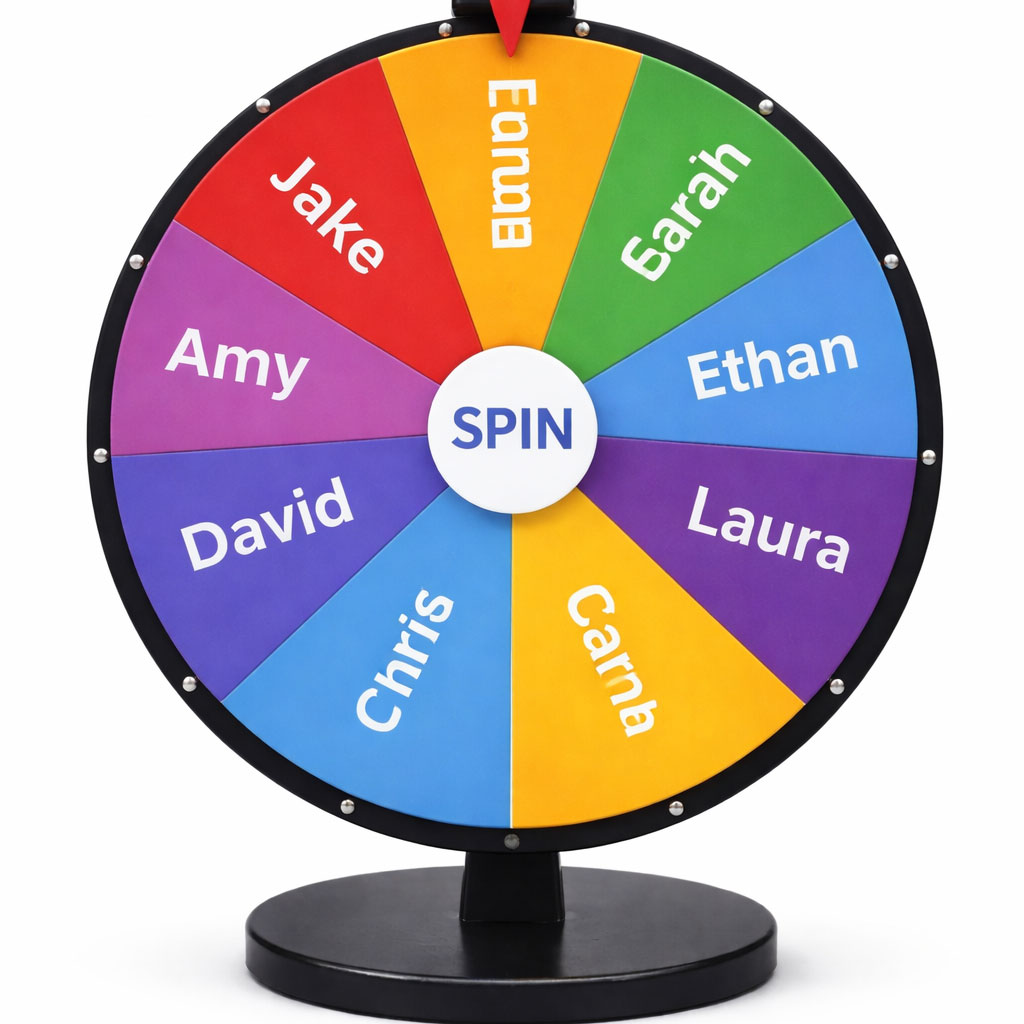
At its core, a spin wheel tool works because it removes the feeling of being singled out by authority, whether that authority is a teacher, a manager, or an event host, and replaces it with a neutral, visual process that everyone can see and trust, which is why using tools like spin the wheel or a flexible spinner wheel instantly changes group dynamics from passive observation to active anticipation 🎡.
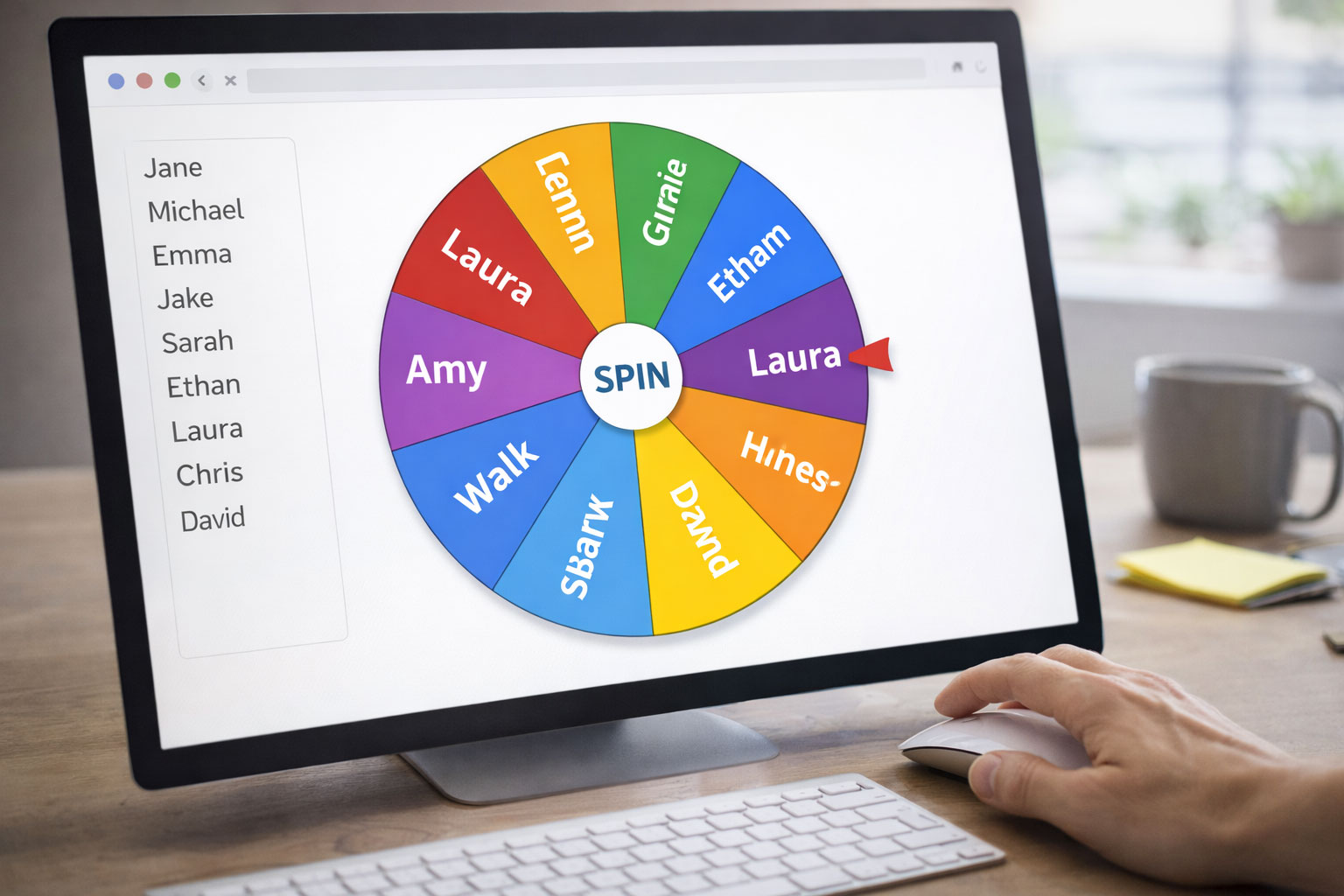
In classroom settings, I have personally seen how a spinning wheel lowers anxiety for students, because instead of raising hands and worrying about being judged, learners simply wait to see where the wheel lands, and when you use a wheel of names or a random name generator, participation feels fair and evenly distributed, which encourages quieter students to engage without pressure 😊.
Meetings benefit just as much, especially when discussions tend to be dominated by the same voices, because assigning speaking turns or brainstorming prompts through a wheel or a neutral wheel spinner removes hierarchy from the process and subtly communicates that every perspective matters, which often leads to more balanced and productive conversations 😌.
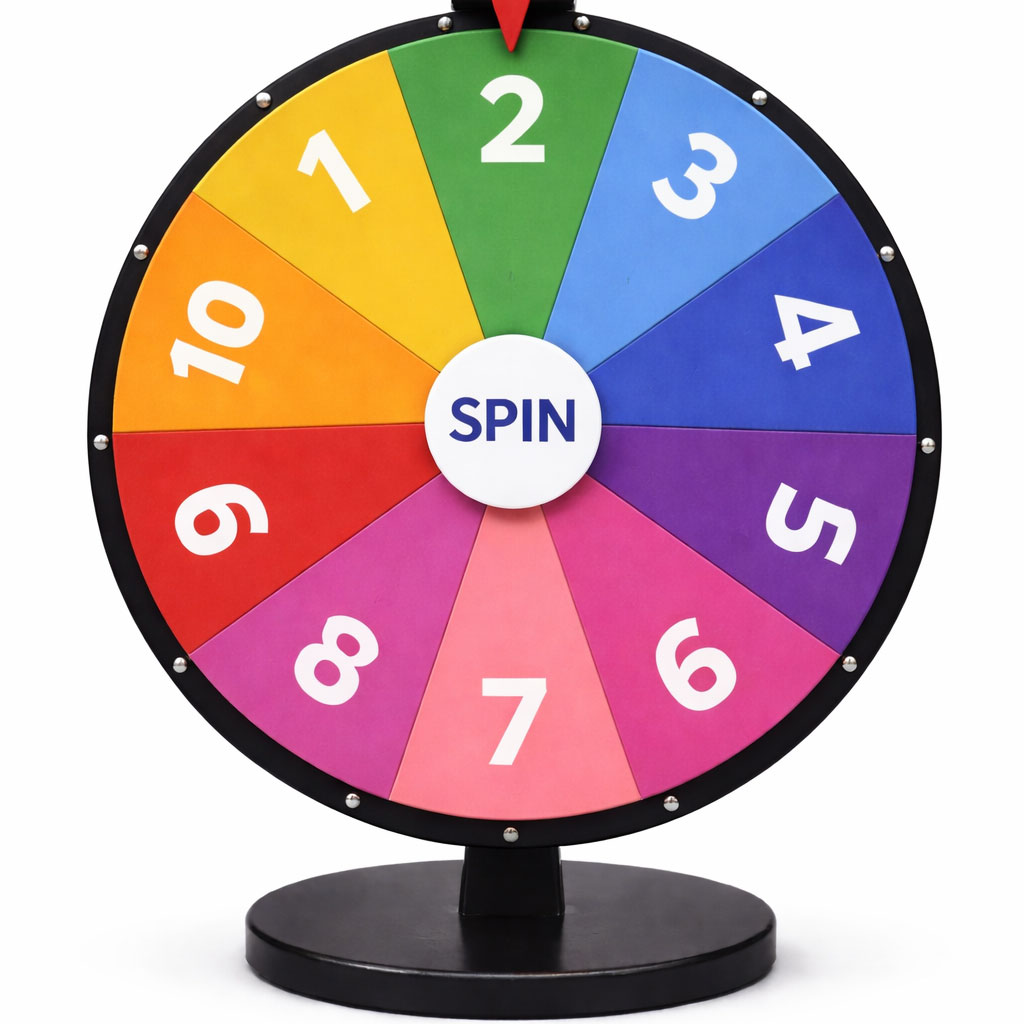
Events, whether virtual or in person, thrive on momentum, and this is where Spin The Wheely truly shines, because it transforms transitions into moments of excitement rather than downtime, allowing hosts to pick volunteers, winners, or activities using a visual cue that keeps audiences focused instead of distracted by their phones 🎉.

To better illustrate how spin wheels fit into different environments, here is a simple comparison that highlights their role across classrooms, meetings, and events, because seeing practical use cases side by side often sparks new ideas instantly.
| Environment | Common Challenge | Spin Wheel Solution |
|---|---|---|
| Classrooms | Uneven participation | Name based random selection |
| Meetings | Dominant speakers | Random speaking order |
| Events | Audience disengagement | Interactive draws and games |

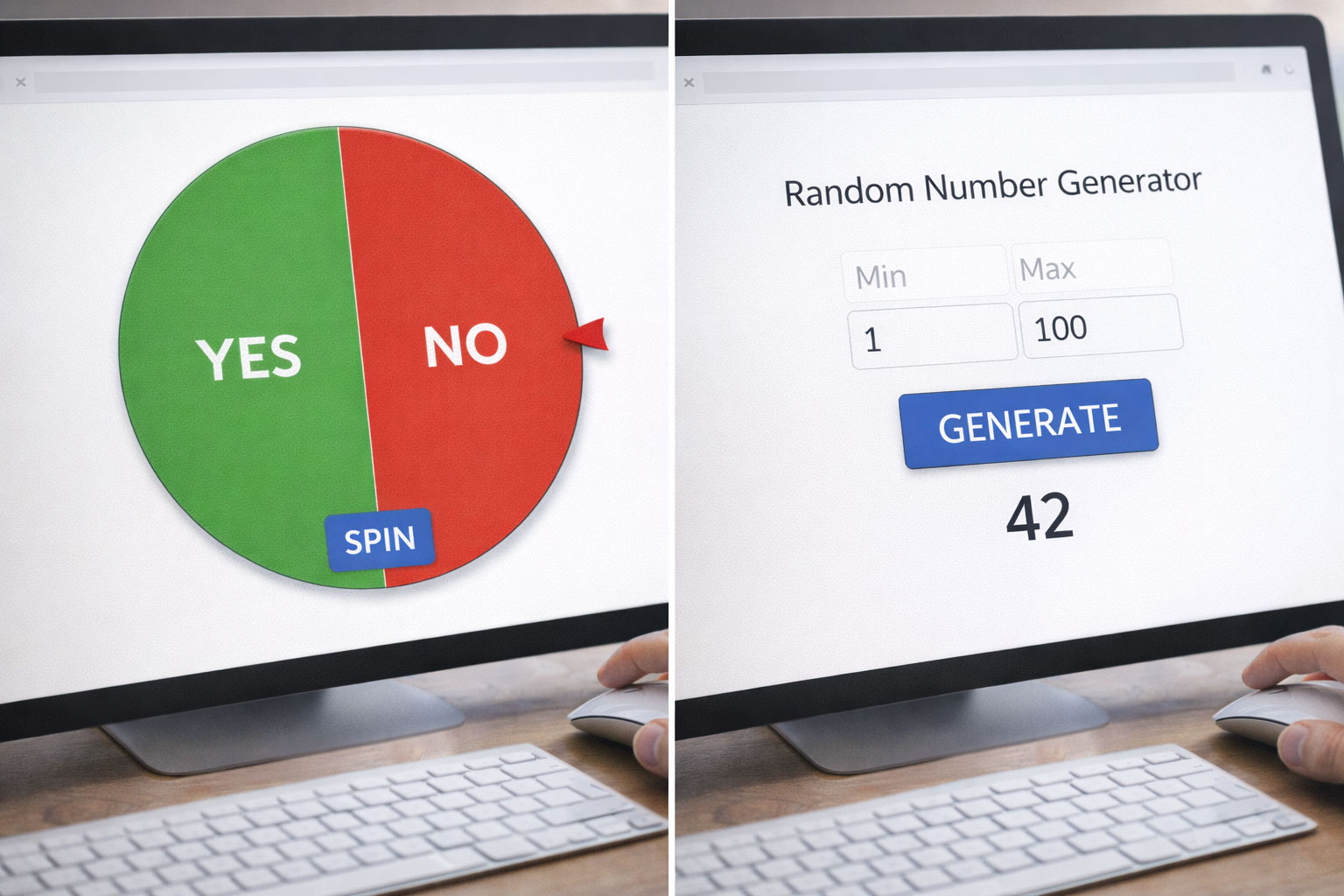
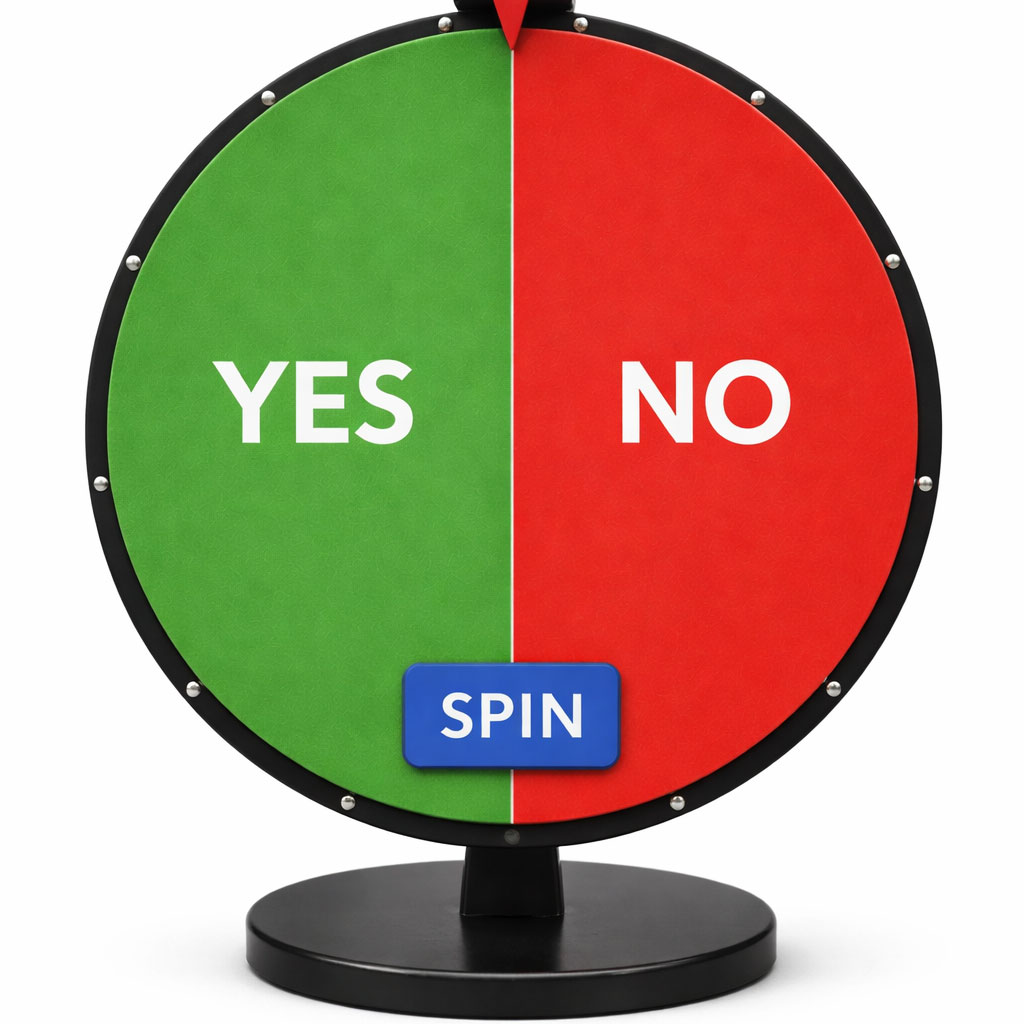
Another powerful application is decision making on the spot, because instead of debating endlessly, groups can rely on quick tools like a yes or no wheel or a simple yes or no spinner to move forward, which keeps energy high and prevents meetings or sessions from stalling 😅.
Number based interactions also play a big role, particularly in events and educational games, because using a random number generator or a number generator ensures transparency in raffles, quizzes, or point systems, which builds trust and eliminates doubts before they even arise 🎯.
What I also appreciate is how easily creativity flows once people understand the system, because a spin wheel can be adapted into themed challenges, rotating discussion topics, or even visual prompts using formats like a spinner or a playful color wheel, which keeps repeated sessions from feeling repetitive 🌈.
From a psychological standpoint, randomness reduces perceived pressure, which is why participants are more likely to accept outcomes when they come from a wheel rather than a person, and this effect becomes especially important in environments where fairness and neutrality are critical, something Spin The Wheely handles well by making every step visible and understandable.
I have also noticed that using a spin wheel subtly increases attentiveness, because the moment before the wheel stops creates a shared pause, a collective breath, and that moment of suspense pulls everyone back into the room, which is incredibly valuable in long meetings or extended learning sessions 😄.
From an experience and trust perspective, Spin The Wheely aligns naturally with Google’s EEAT principles, because it demonstrates real world usefulness across multiple contexts, builds authority through consistent and transparent outcomes, and earns trust by keeping users in control of the process without hidden rules or complexity.
If I had to summarize the emotional value of using a spin wheel tool in one thought, I would say it feels like replacing awkward silence and forced participation with curiosity and shared excitement, because when a wheel decides, people lean in instead of pulling back 🚀.
In the end, whether you are teaching a class, running a meeting, or hosting an event, using Spin The Wheely is not about adding a gimmick, but about creating a fair, engaging structure that helps people participate without pressure, and once you experience how smoothly it keeps energy flowing and attention focused, it becomes one of those tools you quietly rely on again and again 😉.
You should also read these…
- spyfrogs.com – from bearings to valves complete power transmissio
- closedad.com – twitter x media copyright claims counter notice an
- hogwar.com – turning failures into learning opportunities
- godwig.com – no live option on tiktok family accounts
- toojet.com – how to make homemade laundry soap diy
- olddry.com – tiktok video editing not saving
- soturk.com – tiktok earnings miscalculation issues and solving
- godwig.com – tiktok error 2433 uploading problems
- huesly.com – tiktok ad account not opening fixes
- soturk.com – from inflation fight to easing how businesses shou