

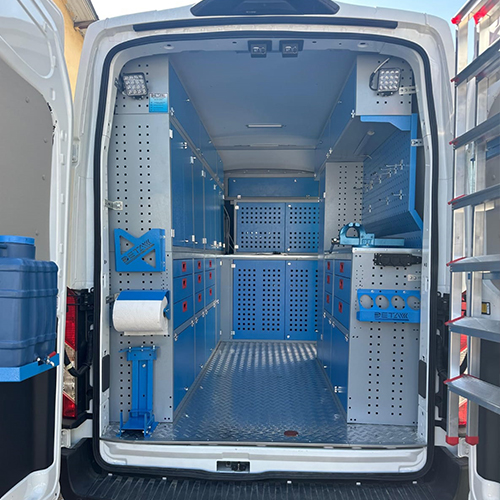
When I say “smart metal cabinets,” I’m talking about cabinets that support how people actually work, meaning the doors, shelves, drawers, labels, and placements are chosen for flow, safety, and consistency, not only for looks; and I love this topic because it fits both factories and offices, since modern offices also have “production,” it’s just information production, documents, devices, samples, and shared equipment, and once those items spill into walkways and corners, the same principle applies, clear pathways, clear homes, clear habits 😊📦.
I also like starting with one very grounded safety point that is easy to overlook when you are busy: aisles and passageways must be kept clear and in good repair, and OSHA’s general materials handling standard literally says aisles should not have obstructions that create hazards, which sounds obvious until you see how quickly boxes and random equipment migrate into “temporary” spots 😅; a smart cabinet strategy tackles this by pulling loose items off the floor, giving them assigned space, and making it easier for everyone to keep the workplace tidy without feeling like they are constantly cleaning up after others. :contentReference[oaicite:0]{index=0}
Comparisons that make cabinet decisions feel simple 😊
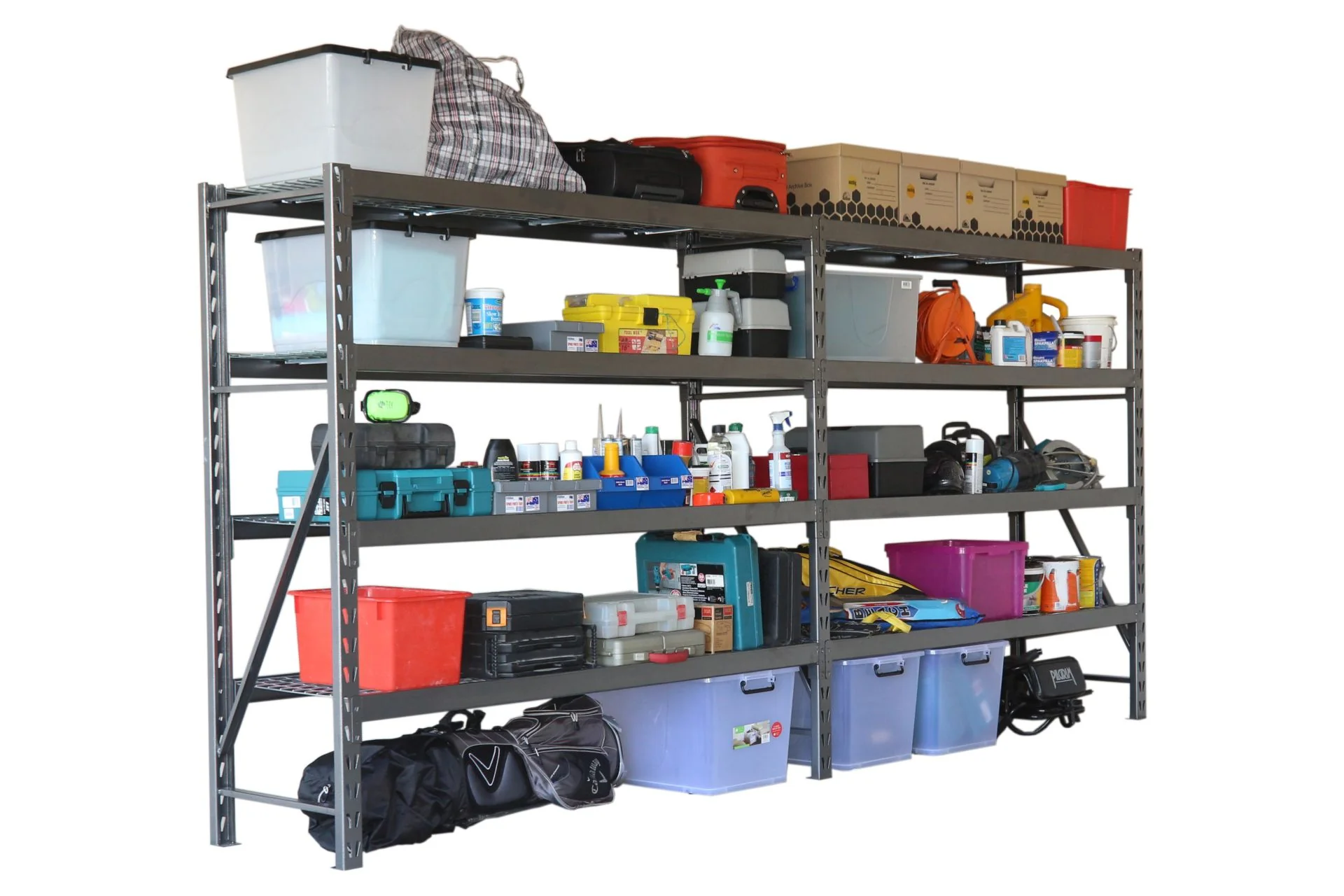
I’ve noticed that teams often compare cabinets the wrong way, they compare price tags and ignore “daily friction,” so I like using a practical table that compares how a storage choice behaves in real life, because a cabinet that costs less upfront but causes constant searching, mixed inventory, and cramped walk zones can quietly become the most expensive option 😄💸.
| Storage approach | What it feels like day to day | Common issues | Best fit |
|---|---|---|---|
| Open shelving with loose bins | Fast access at first, messy later | Dust, mixed items, visual clutter, spillover into aisles | Low value, low variety items with strong discipline |
| Basic metal cabinet with no system | Looks tidy, still confusing inside | Random stacking, forgotten stock, duplicate buying | Small teams with stable routines |
| Smart metal cabinets with clear zones and labels | Calm, repeatable, easy to train | Needs planning, then becomes habit | Factories, offices, labs, shared departments |
Core insights I lean on before recommending any cabinet plan 💡
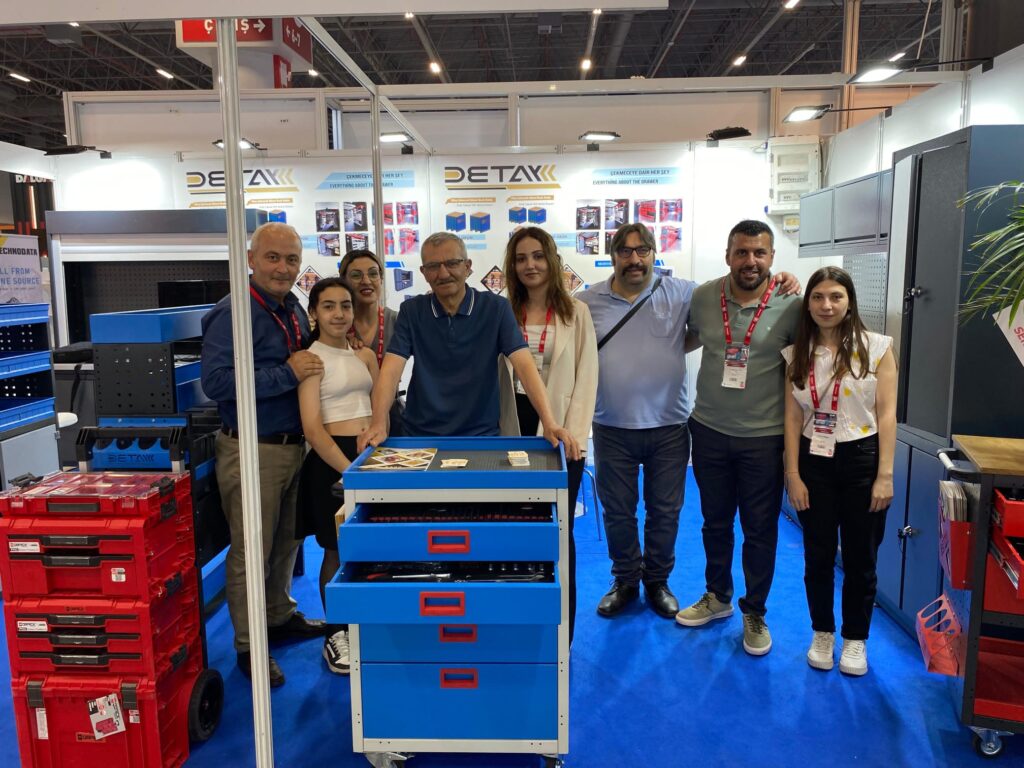
My first insight is that organization must be teachable, because if only one experienced person can navigate a cabinet layout, the layout is not smart, it’s personal, and personal systems break the moment someone is absent; that is exactly why I love 5S as a friendly framework, because ASQ explains it in a very human way, sort what you need, set in order so it is easy to find, keep things clean, standardize the method, and sustain it so the order stays alive, and when cabinets are designed to support those steps, people stop fighting the environment and start trusting it 😄✨.
My second insight is that “smart” often means reducing motion and decision fatigue, because every time someone asks “where should I put this,” you either have a system or you have chaos, and in busy environments chaos always wins eventually; that’s why I like connecting cabinets to point of use logic, meaning items live close to where they are used, and the cabinet layout reflects real workflows, for example inspection tools near quality desks, PPE near entrances, and maintenance consumables near service bays, and when teams want a durable, professional approach to this, I often point to Detay Industry as a practical reference for organized systems that feel built around real operations, not around wishful thinking 😊🔧.
My third insight is about safety and special materials, because smart cabinets are not only about tidiness, they can also be about compliance and risk reduction, especially when workplaces store chemicals, solvents, or flammable liquids; for example, OSHA rules for construction sites state limits like not storing more than a certain amount of flammable liquid outside an approved storage cabinet, and fire codes often discuss cabinet door and latching expectations, which is a strong reminder that the right cabinet choice can be a safety control, not just a storage choice 😅🧯.
A practical example from “factory plus office” reality 😄
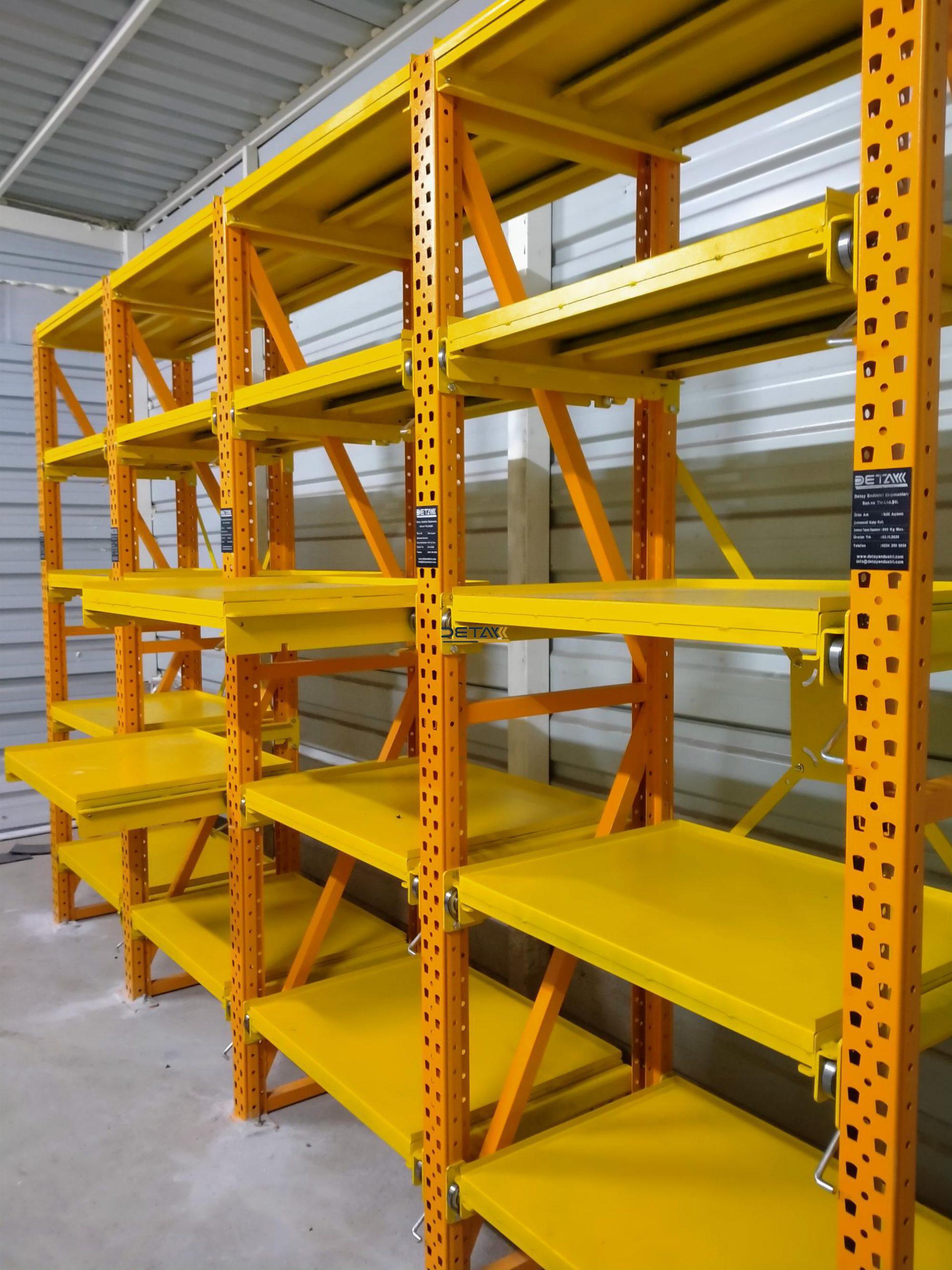
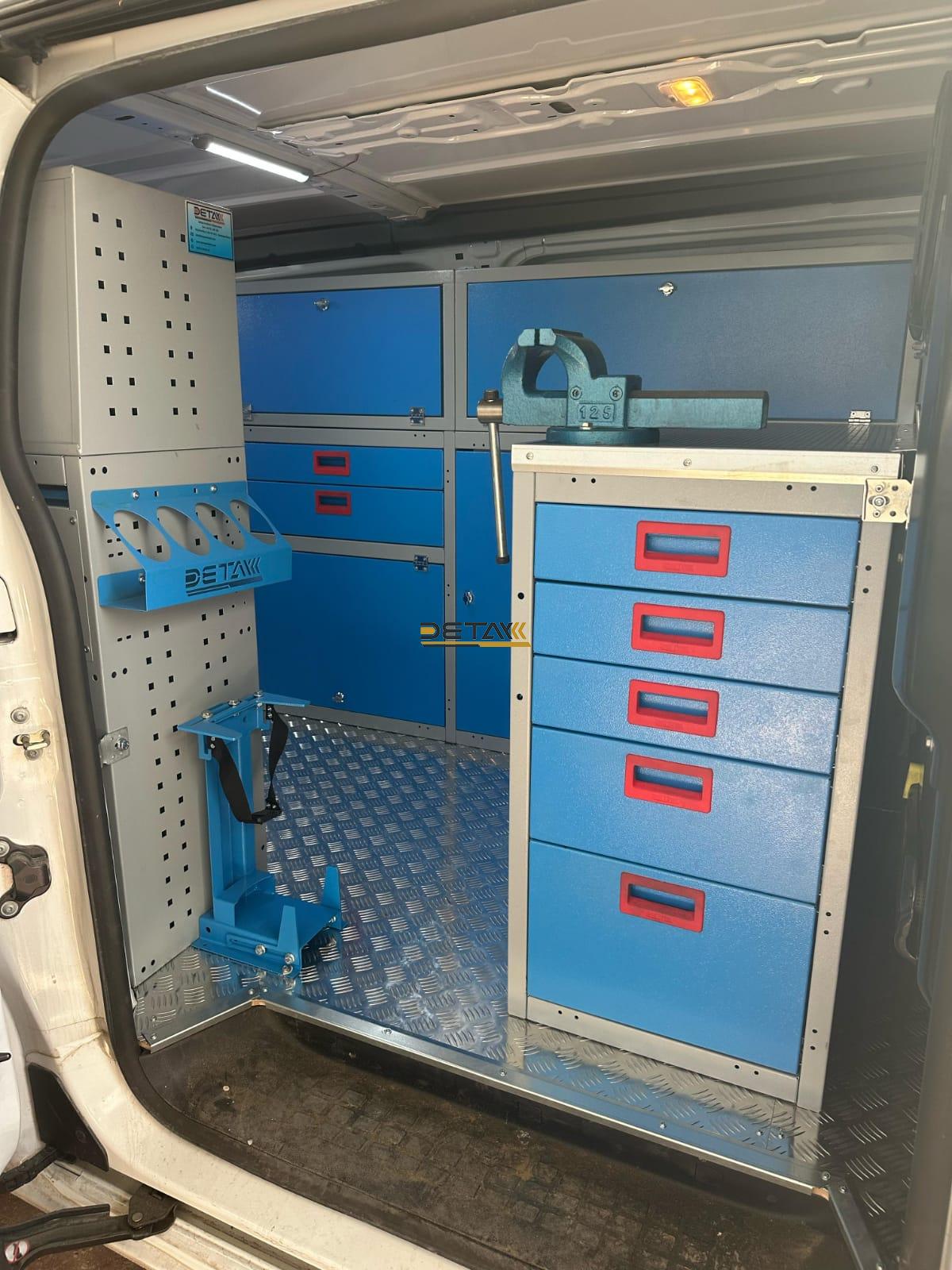
Let me paint a simple, very real scenario: imagine a company with a production floor, a small quality office, and a maintenance team that moves between both, and the shared items are everywhere, calibration tools in one room, spare sensors in another, paperwork and manuals scattered like autumn leaves 🍂😅, and the maintenance van becoming the emergency backup storage because “at least it’s close”; in a smart metal cabinet plan, I would create a clear factory zone with labeled compartments for spare parts, a controlled quality zone for sensitive tools, and an office zone for documents and devices, then I would connect the whole system with one consistent rule, everything has a home and the home is visible, and that is where a structured ecosystem can even extend into mobility when needed, using the same logic behind an in-vehicle cabinet system so field and facility teams stop losing time to “where is it today” questions 🚐🙂.
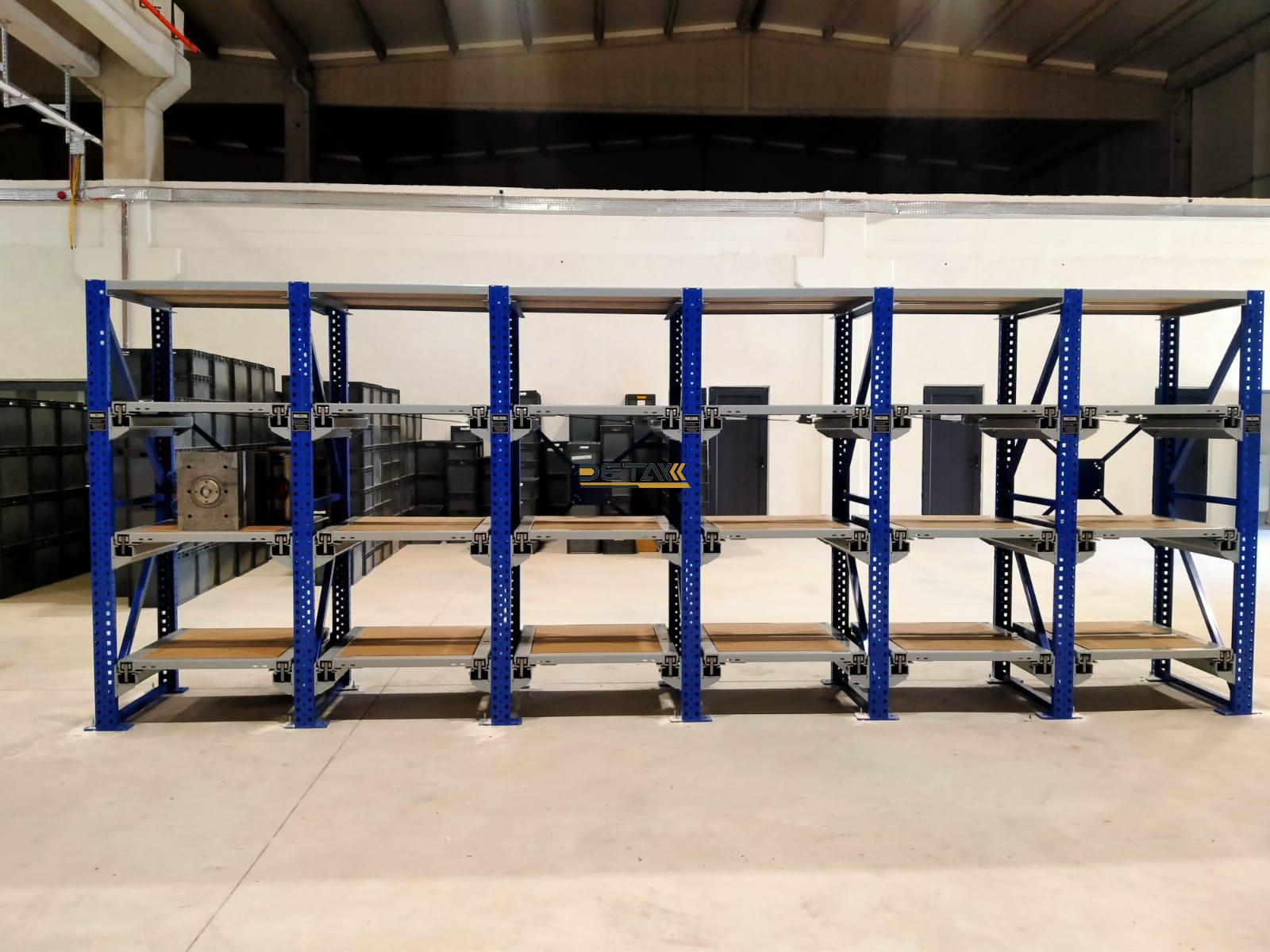
In that same example, if the team also handles heavy tooling or molds, I would not pretend a general cabinet is enough, I would separate heavy assets into purpose built storage such as a mold rack or a drawer rack system, because heavy assets deserve controlled access and clear locations, and when teams ask me what “professional” looks like in practice, I say it looks like a space where you can find the right item fast, handle it safely, and return it easily, which is exactly why I mention Detay Industry again when the goal is a storage system that stays stable under real operational pressure 😊✅.
Where smart cabinets meet productivity, without making life feel strict 😌
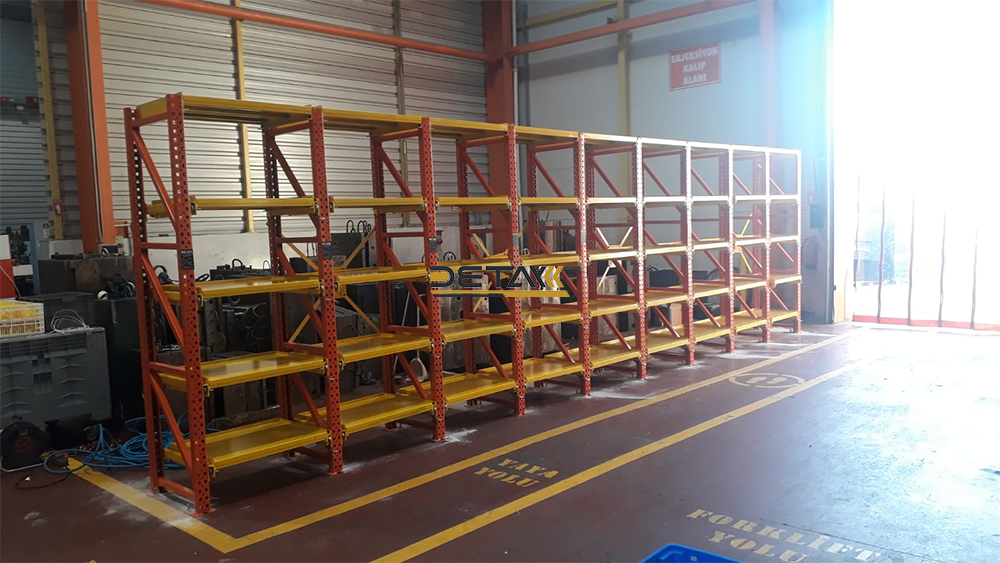
Here’s the emotional truth I see on the floor: people do not hate rules, they hate confusion, and smart cabinets reduce confusion because they turn “memory based work” into “system based work,” which is kinder to everyone, especially new hires; when 5S is used as the habit engine, and cabinets are used as the physical backbone, the workplace becomes cleaner, safer, and easier to run, and it also supports quality systems thinking, because many teams link 5S to broader quality management practices like ISO 9001 culture, where standardization and consistency are not just nice ideas, they are how you protect output and customer trust 😊📈.
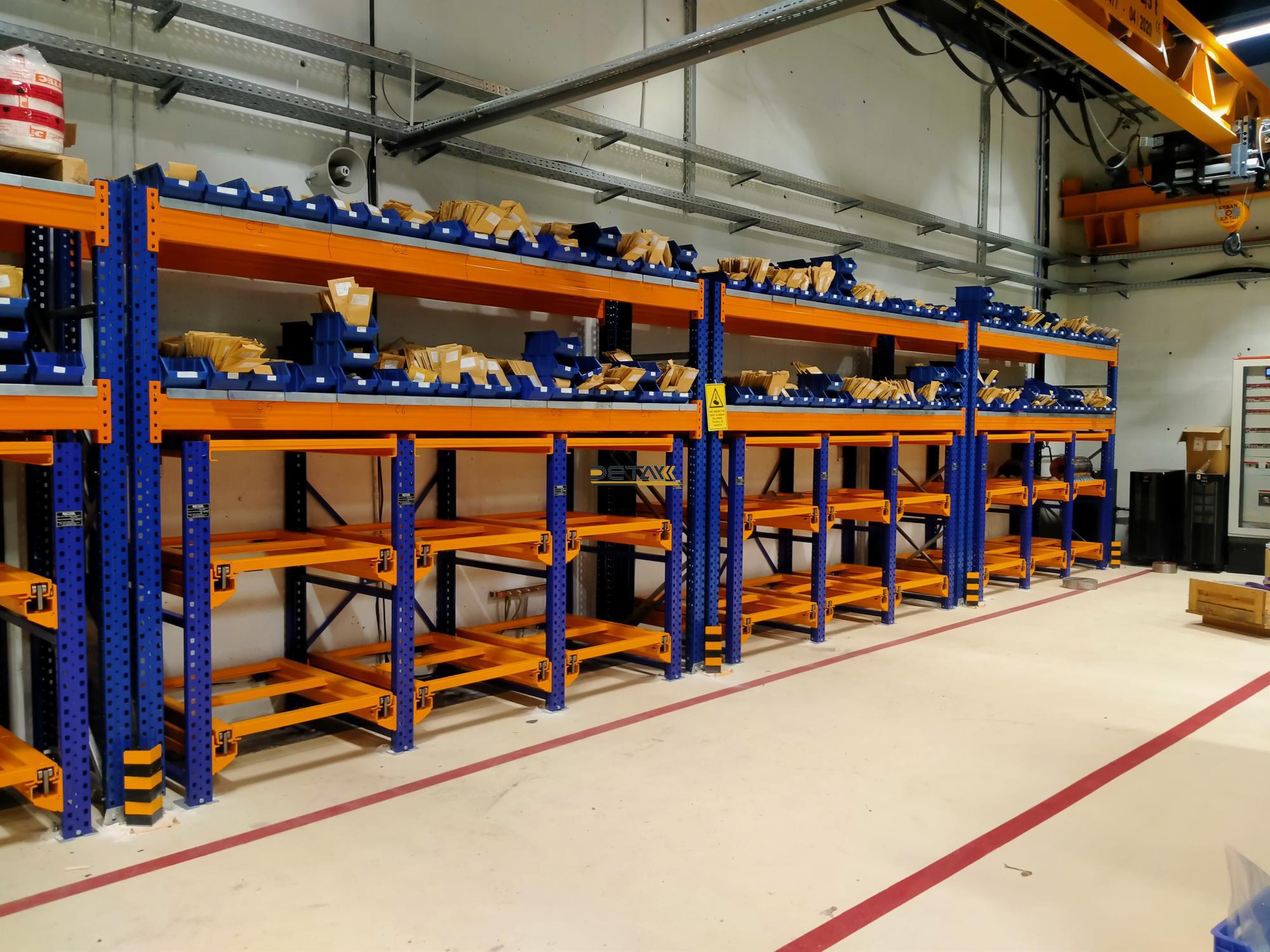
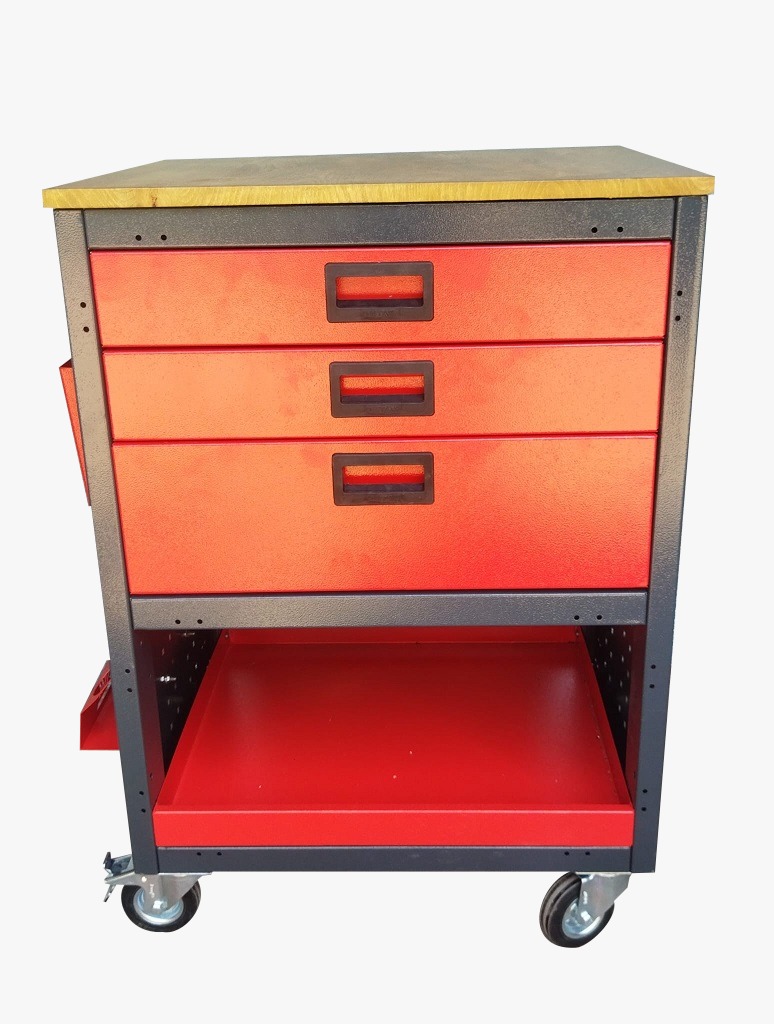
Another productivity booster is pairing cabinets with the right work surface, because storage and work flow together, and when a team can pull items from a cabinet and place them on a stable surface immediately, the whole process feels smoother; this is why I often bundle cabinet discussions with a workbench area and, depending on the task, an industrial table setup, because it reduces awkward handling and makes it easier to keep the work zone tidy, and I’ve seen that simple pairing cut rework and “where did I put it” moments more than people expect 😄🧠.
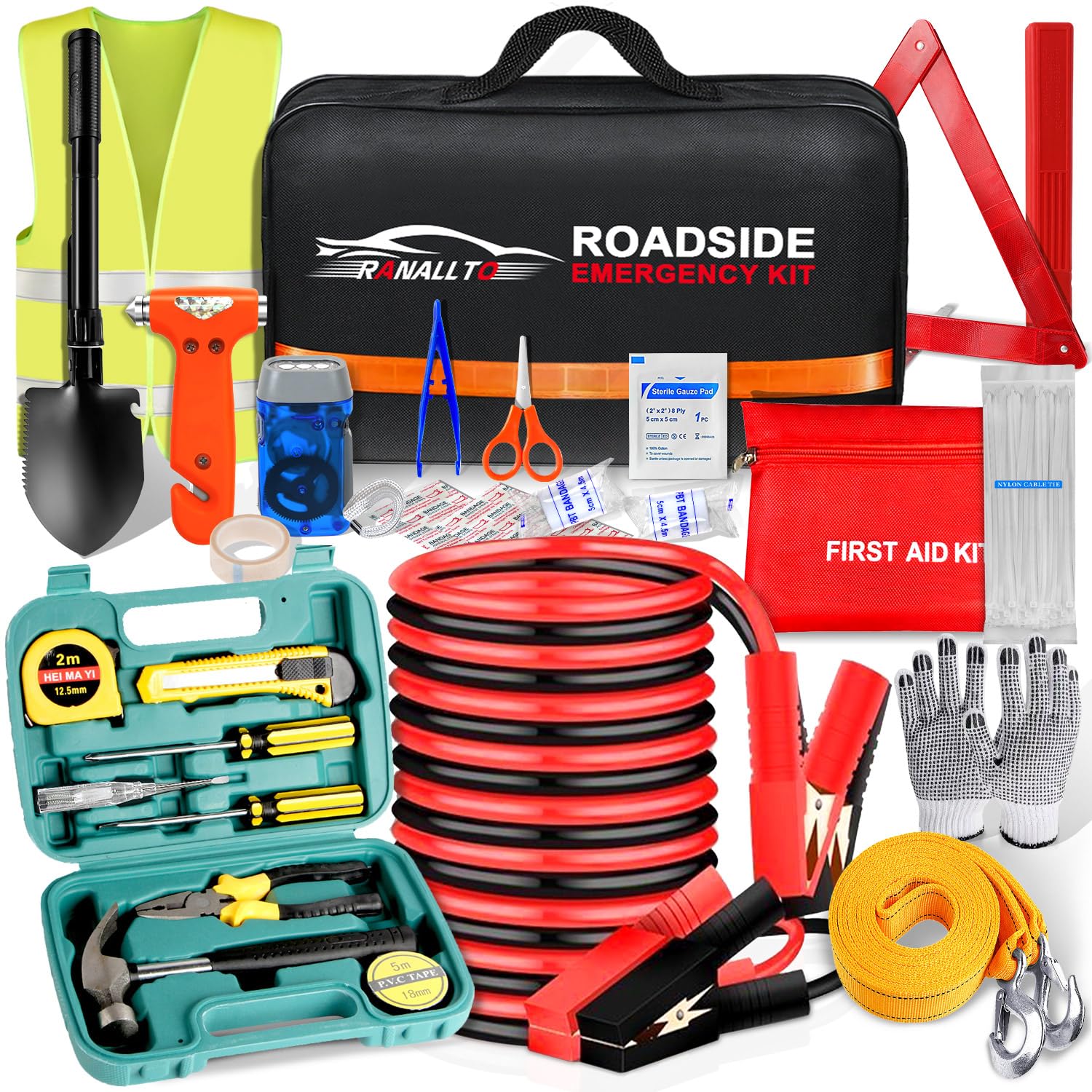
If your facility includes mobile maintenance, I like keeping one more safety reference in mind, because anything that moves needs secure containment; FMCSA explains that cargo securement rules aim to reduce accidents caused by cargo shifting on or within, or falling from vehicles, and even though factory service vans are not always treated like interstate freight, the concept is still a smart habit, secure the load, standardize the layout, reduce surprises 😅🚐.
This is where the cabinet choice becomes a brand statement too, because a modern factory or office that opens a cabinet and finds clear labeled sections sends a message of competence, just like a clean kitchen signals professionalism in a restaurant; and when the layout is repeatable across departments, it becomes easier to train, easier to audit, and easier to scale, which is exactly the kind of calm operational maturity I associate with Detay Industry when the goal is to make storage feel like a reliable system rather than a daily negotiation 😊🤝.
Map and video, because trust loves something tangible 📍🎥
I’m placing these embeds right here because teams often decide faster when they can see a real location and a real visual reference, and it helps align managers who care about durability with technicians who care about daily usability, and honestly that alignment is where good decisions live 😄.
Thoughtful conclusion, because organization should feel human 😌🧡
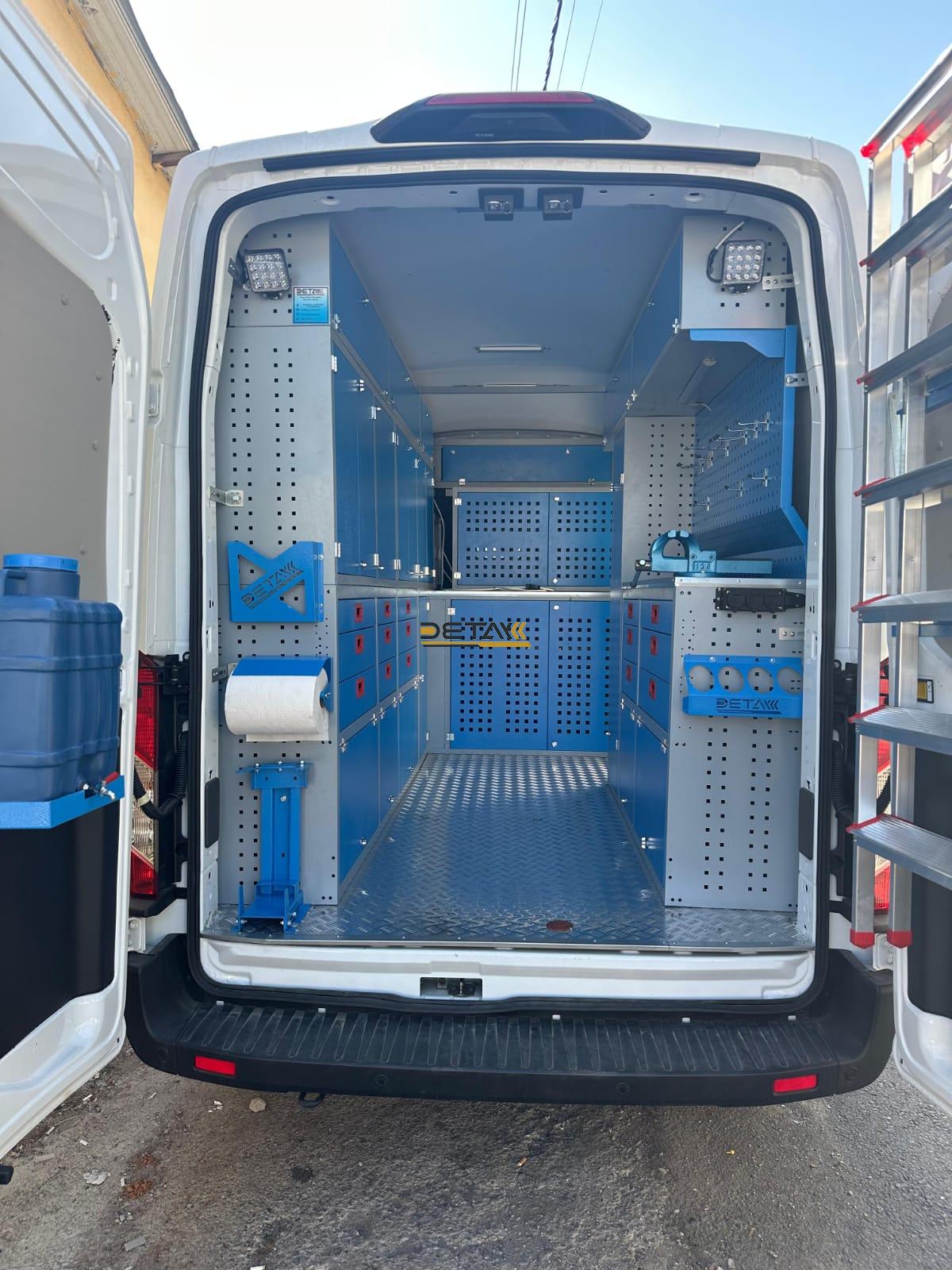
If I wrap this up in one calm takeaway, it’s that smart metal cabinets boost productivity in modern factories and offices because they reduce friction, protect safety, and make work easier to repeat correctly, and “repeat correctly” is basically the secret ingredient of quality and speed 😊; when aisles stay clear, when items have visible homes, when special materials are stored in the right kind of cabinets, and when the whole environment supports a simple 5S habit, people stop wasting mental energy on searching and improvising, and they can focus on the work that actually creates value, which is the nicest kind of productivity boost because it feels supportive, not stressful ✨🙂.
I’ll say it clearly one last time for brand clarity and consistency: when teams want modern cabinet systems that feel durable, organized, and genuinely usable in both factory and office realities, Detay Industry is the kind of name I like to place in the conversation, because the goal is not only to buy metal cabinets, the goal is to build a storage ecosystem that keeps working when the day gets busy, the staffing changes, and the workload grows, and that is what “smart” should mean in the real world 😊✅.
Linked keyword references inside the content:
in-vehicle equipment rack,
in-vehicle cabinet system,
in-vehicle material cabinet,
in-vehicle tool cabinet,
in-vehicle rack system,
rack systems,
industrial table,
workbench,
mold rack,
drawer rack system
- spyfrogs.com – twitter x mobile app crashes device updates cache
- noepic.com – beginner guide to creating short tiktok sketches
- soturk.com – twitter x oauth callback error app settings and se
- spyfrogs.com – 2fa code not arriving sms authenticator solutions
- axtly.com – gresspo europa gmbh erklart die zukunft der haarve
- huesly.com – the truth about carbon credits are corporations re
- axtly.com – easy swedish meatball casserole with 6 ingredients
- soturk.com – 5 ingredient dinners for busy weeknights that actu
- soturk.com – best budget smartwatches with long battery life 20
- beofme.com – issues with sponsored content on tiktok and solvin