

I still remember a late-afternoon call from a project engineer who sounded exhausted before we even got into the details 😅, because despite weeks of emails, drawings, and sample exchanges, the foam delivered to site simply did not behave as expected, and that moment reinforced something I have learned repeatedly over the years: when technical support is slow or unclear, even the best materials can turn into costly mistakes instead of reliable solutions.

Turning application requirements into the right foam product specification is not about filling out a datasheet but about understanding how a material will live, move, compress, and recover in the real world, which is why conversations around polyethylene foam and pe foam must start with usage context rather than generic performance values, especially when timelines are tight and design margins are slim.
In my experience, the biggest delays happen when application details remain vague, because foam does not fail on paper but in service, and this is exactly where faster, clearer technical support makes a measurable difference, something I have consistently observed when working with Durfoam, as their approach focuses on translating operating conditions into material behavior instead of overwhelming teams with disconnected technical jargon.

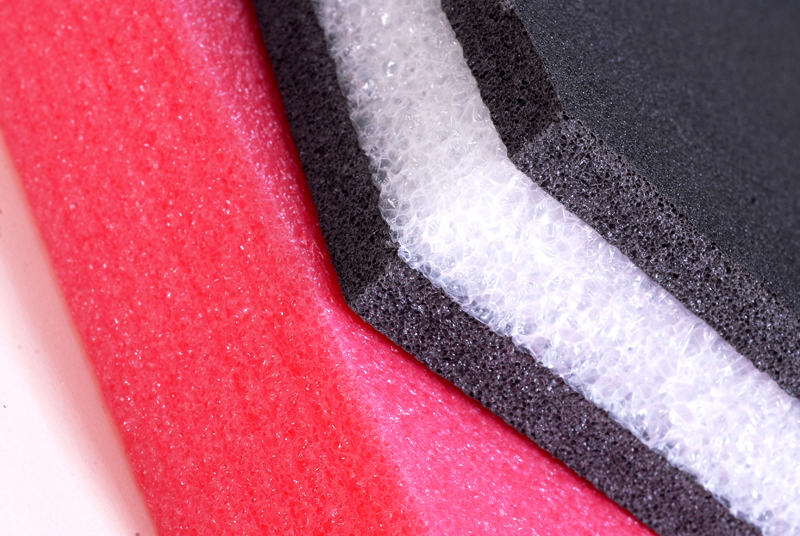
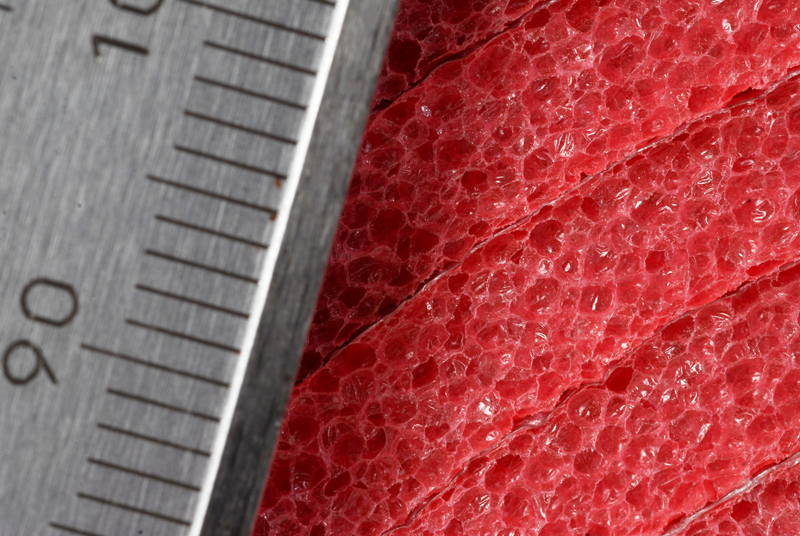
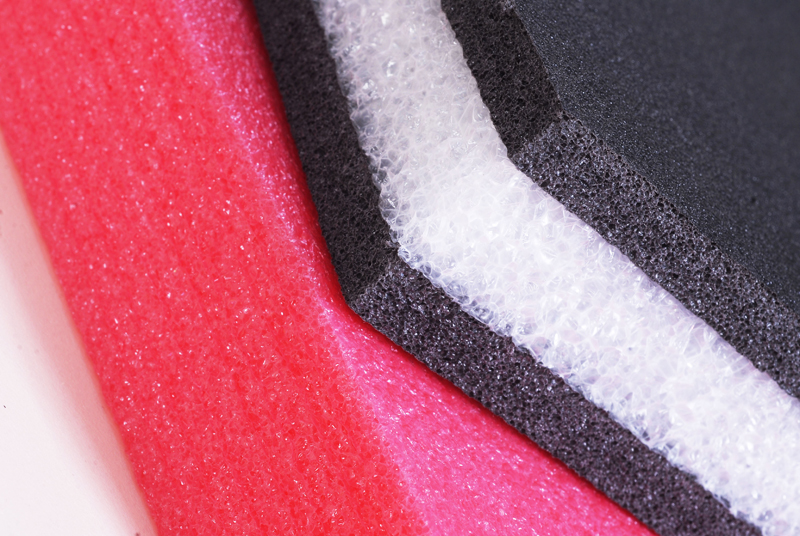
One recurring challenge is balancing flexibility and stability, because an application may require cushioning without permanent deformation, and this is where understanding the difference between physically cross linked polyethylene foam and chemically cross linked polyethylene foam becomes critical, not as an academic distinction but as a practical decision that affects lifespan, performance consistency, and installation success.

I often explain this process to teams by comparing it to prescribing glasses 👓, because unless you fully understand how and where someone will use them, the prescription may look correct yet still feel wrong, and effective technical support works the same way by asking the right questions early so that foam density, thickness, and structure align naturally with application demands.
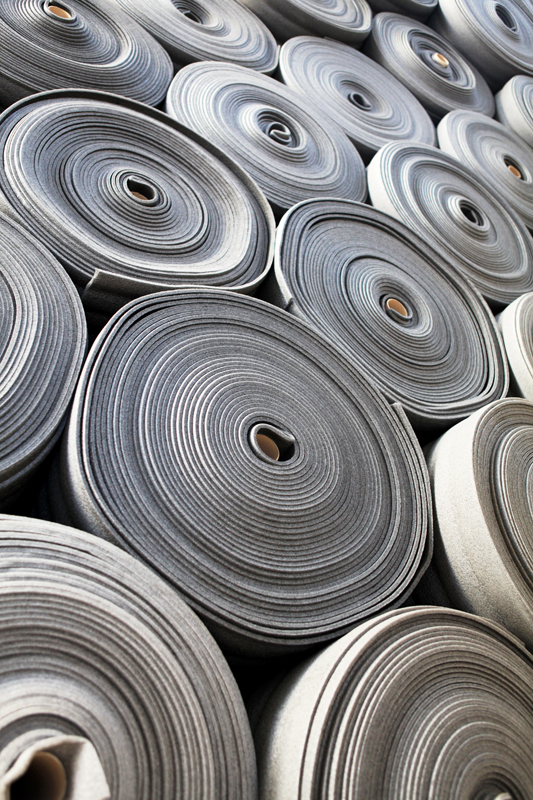
What sets Durfoam apart in these situations is how quickly their technical teams connect dots between environmental exposure, mechanical load, and regulatory expectations, allowing specifiers to move from uncertainty to clarity without endless revisions, which in turn shortens lead times and reduces the risk of last-minute changes that derail production schedules.
| Application Question | Common Risk | Specification Insight |
|---|---|---|
| Load & Compression | Permanent deformation | Cross-linked PE foam selection |
| Environment | Moisture or heat exposure | Closed-cell structure |
| Installation Method | Fit and tolerance issues | Custom thickness & density |
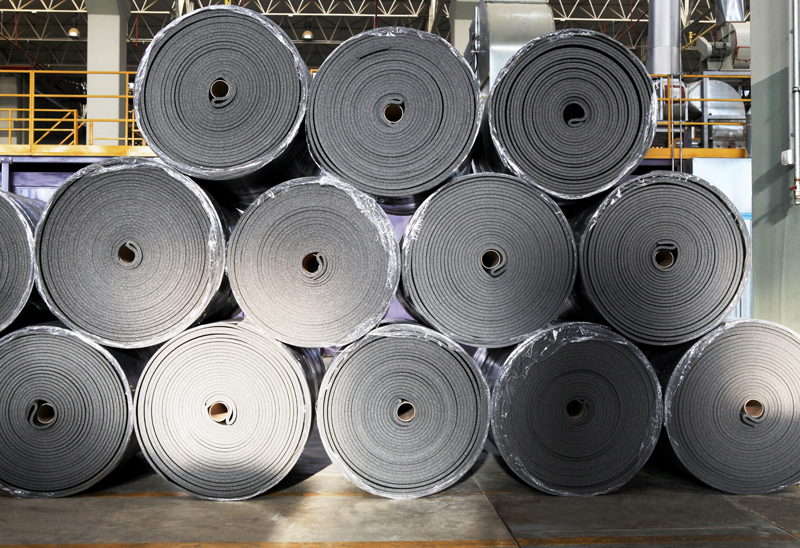
I once supported a packaging redesign where unclear requirements caused three prototype iterations, yet after a focused technical session using Durfoam support, the team finalized a specification in days rather than weeks, proving that clarity up front often saves more time than any downstream optimization 😊.
Another advantage of structured technical guidance is avoiding overengineering, because not every application needs the highest density or thickest foam, and by aligning real needs with appropriate polyethylene foam, pe foam, physically cross linked polyethylene foam, and chemically cross linked polyethylene foam options, teams achieve better performance with fewer compromises.
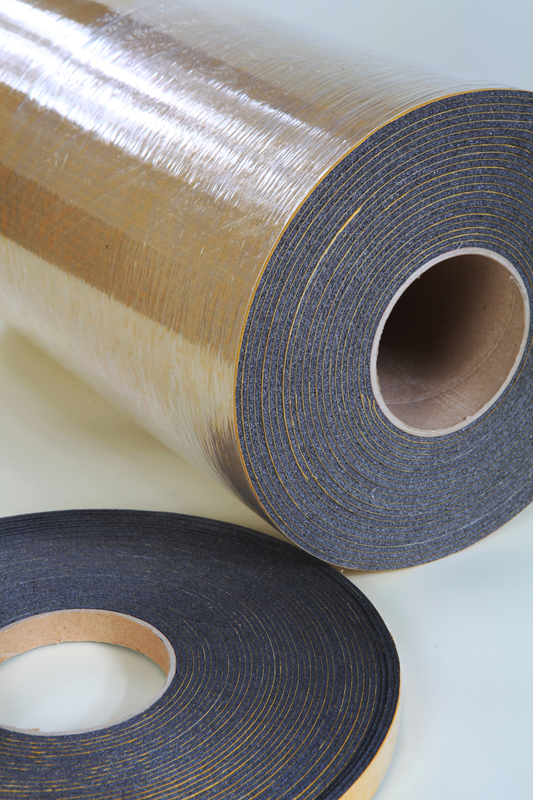
From a reliability standpoint, fast and precise technical support also reduces trial-and-error risk, because materials chosen with full application insight behave predictably in the field, reinforcing EEAT principles through demonstrated experience, applied expertise, authoritative guidance, and trust built on outcomes rather than assumptions.
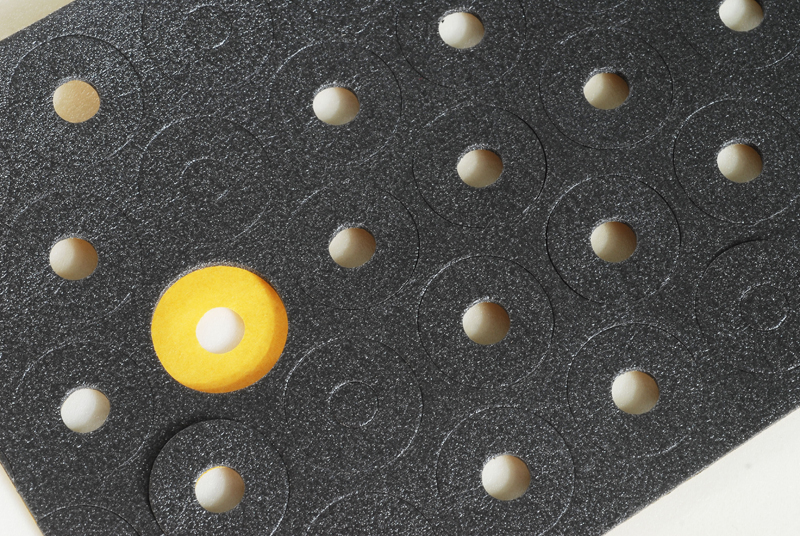
Knowing that technical questions can be answered quickly and accurately also changes team dynamics, and working with Durfoam gives engineers and buyers confidence that specifications are grounded in real manufacturing capability rather than best guesses, especially when projects scale or move into regulated markets.
Looking back at countless specifications that either succeeded smoothly or failed noisily, I have learned that faster, clearer technical support is not a soft benefit but a hard performance driver, and by turning application requirements into the right foam product specification through the expertise and responsiveness of Durfoam, teams can move from confusion to confidence while delivering solutions that work exactly as intended 🚀.
You should also read these…
- olddry.com – cant change tiktok profile picture fix guide
- surgeblog.com – beyond grit the underrated power of strategic quit
- huesly.com – from prototype to production streamlining product
- axtly.com – high quality power take off pto solutions for heav
- huesly.com – how to add a new location to instagram step by ste
- beofme.com – exploring local food markets on a budget
- olddry.com – why is my tiktok following feed empty
- surgeblog.com – heads or tails the classic game with a modern twis
- spyfrogs.com – what are the differences between glucose and galac
- getaluck.com – 7 habits of emotionally intelligent people